
Bull Terrier Complete Guide: Temperament, Size, And Care
Bull Terriers are one of the most recognizable dog breeds in the world. Their unique egg-shaped heads, muscular bodies, and lively personalities make them stand out from other breeds. But owning a Bull Terrier is not just about looks; understanding their temperament, size, and care needs is essential for anyone considering this breed.
In this guide, you will discover everything you need to know—from their behavior and physical characteristics to practical advice for keeping your Bull Terrier happy and healthy. Whether you are a beginner or already have experience with dogs, you’ll find answers, data, and insights that help you become a confident Bull Terrier owner.
Bull Terrier Breed Overview
The Bull Terrier is a breed developed in England in the early 19th century. Originally bred for bull-baiting and later as a fashionable companion, Bull Terriers have evolved into friendly, energetic pets. They belong to the terrier family and are known for their distinctive appearance and playful character.
History And Origin
Bull Terriers were first created by crossing Old English Bulldogs with terriers. This mix produced a dog with strength and agility. Over time, breeders refined their look, leading to the modern Bull Terrier’s unique head shape and muscular build.
Physical Characteristics
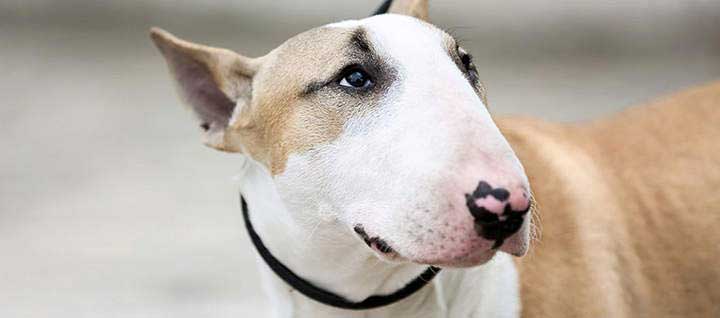
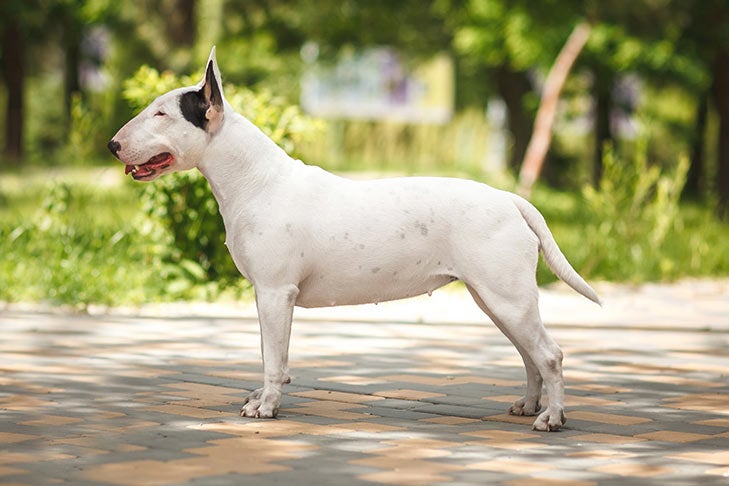
Bull Terriers are medium-sized dogs with a powerful, athletic frame. Their most defining feature is the egg-shaped head, which gives them a unique profile. Their eyes are small, dark, and triangular, adding to their expressive look.
Their coat is short, flat, and shiny, requiring minimal grooming. Bull Terriers come in many colors, including white, brindle, black, fawn, red, and tri-color. Some have markings, while others are solid.
Bull Terrier Size And Growth
Understanding the size and growth stages of Bull Terriers is important for planning their care and living arrangements. This breed is considered medium-sized, but their robust build requires space and exercise.
Adult Size
Adult Bull Terriers typically stand between 20–24 inches tall at the shoulder and weigh 50–70 pounds. Males are usually larger and more muscular, while females tend to be lighter and slightly smaller.
Growth Stages
Bull Terriers grow quickly in their first year, reaching most of their adult height by 9–12 months. However, their muscle development and body shape continue to mature until about 18–24 months.
Puppy Growth Table
Here’s a typical growth chart for Bull Terriers:
| Age | Height (inches) | Weight (pounds) |
|---|---|---|
| 8 weeks | 7–9 | 8–12 |
| 4 months | 12–15 | 20–30 |
| 8 months | 16–19 | 35–45 |
| 12 months | 19–22 | 45–60 |
| 24 months | 20–24 | 50–70 |
Miniature Bull Terrier
A related breed, the Miniature Bull Terrier, stands only 10–14 inches tall and weighs 18–28 pounds. They share the same temperament and appearance but are better suited for smaller homes.

Credit: mywoof.com
Bull Terrier Temperament Explained
Bull Terriers have a personality that is both playful and strong-willed. Understanding their temperament is essential for raising them successfully.
Key Personality Traits
- Energetic and playful: Bull Terriers love to play and need daily physical activity. They can be mischievous and enjoy games like fetch or tug-of-war.
- Affectionate: These dogs form close bonds with their owners. They often seek attention and enjoy cuddling.
- Stubborn but intelligent: Bull Terriers are smart, but their stubborn streak can make training challenging. They respond best to positive reinforcement and patience.
- Protective: Bull Terriers are loyal and protective, making them good watchdogs. However, their protection comes from love, not aggression.
- Sociable: With proper socialization, Bull Terriers get along well with people and other pets. Early exposure to different environments is important.
Common Behavioral Challenges
Bull Terriers are not aggressive by nature, but without proper training, they can develop undesirable behaviors:
- Chewing: Bull Terriers have strong jaws and may chew furniture or shoes if bored.
- Digging: Their terrier instinct can lead to digging in the yard or garden.
- Jumping: Excited Bull Terriers may jump on people, which needs to be managed with training.
- Separation anxiety: These dogs dislike being alone for long periods. They may bark or become destructive if left alone too much.
Temperament Comparison
To help you understand how Bull Terriers compare to other breeds, here’s a simple table:
| Breed | Energy Level | Affection Level | Trainability | Watchdog Ability |
|---|---|---|---|---|
| Bull Terrier | High | td>HighMedium | Medium | |
| Staffordshire Bull Terrier | Medium | High | High | Medium |
| Boxer | High | High | Medium | Low |
| Golden Retriever | Medium | High | High | Low |
| Miniature Bull Terrier | High | High | Medium | Medium |
Non-obvious Insights
- Bull Terriers respond better to structured routines. If you keep feeding, walking, and playing at regular times, their behavior improves.
- They are sensitive to loud voices. Calm, firm communication works best—shouting can make them anxious or stubborn.
Bull Terrier Care: Practical Guide
Caring for a Bull Terrier goes beyond basic feeding and exercise. Their specific needs require attention to detail and consistency.
Nutrition And Feeding
Bull Terriers need high-quality food with balanced protein, fat, and carbohydrates. Adults eat 2–3 cups of dry food per day, divided into two meals. Puppies need smaller, more frequent meals.
Recommended Diet
- Protein: 22–28% (chicken, beef, fish)
- Fat: 10–15% (fish oil, chicken fat)
- Carbohydrates: Whole grains, sweet potatoes
- Vitamins: A, D, E, and B complex
- Minerals: Calcium, phosphorus, zinc
Avoid feeding them human foods like chocolate, onions, grapes, or fatty scraps. These can cause health problems.
Exercise Needs
Bull Terriers are active dogs. They need at least 60–90 minutes of exercise daily. This can include:
- Walks (2–3 times per day)
- Play sessions (fetch, tug-of-war)
- Mental stimulation (puzzle toys, training)
Without enough activity, Bull Terriers may develop destructive habits.
Exercise Mistakes
- Skipping daily walks leads to boredom and hyperactivity.
- Not varying activities—Bull Terriers enjoy new games and environments.
Grooming And Hygiene
Their short coat is easy to maintain, but regular grooming keeps them healthy.
- Brushing: Once a week with a soft brush
- Bathing: Every 1–2 months, unless dirty
- Nail trimming: Every 2–4 weeks
- Ear cleaning: Weekly, to prevent infections
- Dental care: Brush teeth 2–3 times a week
Their skin can be sensitive. Use gentle shampoos and check for redness or irritation, especially in white Bull Terriers.
Health And Wellness
Bull Terriers are generally healthy, but some conditions are more common in the breed.
Common Health Issues
- Deafness: Especially in white Bull Terriers; up to 20% are affected.
- Skin allergies: Can cause itching and redness.
- Kidney disease: Some Bull Terriers have inherited kidney problems.
- Heart disease: Less common, but still a risk.
- Patellar luxation: Kneecap dislocation, which affects movement.
Health Check Table
| Health Issue | Frequency | Prevention/Management |
|---|---|---|
| Deafness | High in whites | Early testing, adapt training |
| Skin Allergies | Medium | Hypoallergenic diet, gentle shampoo |
| Kidney Disease | Medium | Regular vet checks, low-protein diet |
| Patellar Luxation | Low | Monitor activity, vet exams |
Vaccination And Vet Care
Regular vaccinations are important. Your Bull Terrier should receive standard shots for distemper, parvovirus, hepatitis, rabies, and more. Annual checkups help catch problems early.
Training Tips
Bull Terriers need early obedience training and socialization. Start with basic commands like sit, stay, and come. Use positive reinforcement (treats, praise). Avoid harsh discipline—this makes stubbornness worse.
Common Training Mistakes
- Inconsistent rules confuse Bull Terriers. Always use the same commands and rewards.
- Not socializing early—expose your dog to new people, pets, and places by 16 weeks old.
Living Arrangements
Bull Terriers can adapt to apartments or houses, but they need space to play. A secure yard is ideal. They should not live outdoors full-time; Bull Terriers need human companionship.
Indoor Vs Outdoor Comparison
| Living Condition | Pros | Cons |
|---|---|---|
| Indoor | Safe, more social, less exposure to weather | Needs daily exercise, can get bored |
| Outdoor | More space, freedom to play | Risk of escape, loneliness, weather issues |
Socialization
Bull Terriers are friendly with proper training. Take them to dog parks, puppy classes, and introduce them to visitors. This prevents fearfulness and aggression.
Safety Precautions
Bull Terriers are strong and energetic. Secure your home and yard:
- Use strong fences (at least 5 feet tall)
- Lock gates and check for holes
- Remove dangerous objects from yard
Bull Terriers can jump or dig under fences if left unsupervised.
Credit: www.nylabone.com
Bull Terrier As A Family Pet
Bull Terriers can make excellent family pets, but their temperament and energy need careful management.
Children And Bull Terriers
Bull Terriers are playful and enjoy interacting with kids. However, their strength means play should be supervised, especially with young children. Teach kids how to handle the dog gently and avoid rough games.
Other Pets
Bull Terriers can live with other dogs if socialized early. They may chase smaller pets due to their terrier instinct. Always supervise introductions and never leave them alone with unfamiliar animals.
Real-life Example
A Bull Terrier named Max lived with two children and a cat. Max was trained from puppyhood and socialized with the cat using treats and calm introductions. The family kept play sessions supervised, and Max never showed aggression. This shows that with the right approach, Bull Terriers can fit into a busy home.
Non-obvious Insight
Bull Terriers may develop strong attachments to one person in the family. To avoid jealousy, ensure all family members participate in feeding, training, and playtime.
Choosing A Bull Terrier: What Matters
Selecting a Bull Terrier requires careful thought. There are important factors to consider before bringing one home.
Breeder Vs Rescue
You can get a Bull Terrier from a reputable breeder or a rescue organization.
- Breeders offer puppies with health guarantees and pedigrees.
- Rescues often have adult Bull Terriers needing homes, which may suit people not wanting a puppy.
Key Factors When Choosing
- Health screening: Ask for proof of health tests (hearing, kidneys, heart).
- Temperament: Meet the puppy or adult dog and observe their behavior.
- Environment: Choose a breeder or rescue that raises dogs in a clean, social setting.
- Support: Look for breeders who offer advice and support after sale.
Common Mistakes
- Ignoring health checks—some Bull Terriers have inherited issues.
- Choosing based on color or appearance only—temperament is more important.
Cost And Commitment
Bull Terriers cost between $1,200–$2,000 from breeders. Rescue fees are usually lower, around $200–$400. Remember, the real commitment is time and care, not just money.
Credit: www.akc.org
Bull Terrier Activities And Enrichment
Bull Terriers thrive when mentally and physically challenged. Keeping them busy prevents boredom and bad behavior.
Fun Activities
- Agility training: Bull Terriers enjoy obstacle courses.
- Obedience classes: Improve their listening and social skills.
- Swimming: Many Bull Terriers like water, but always supervise.
- Interactive toys: Puzzle feeders stimulate their minds.
Enrichment Tips
Change toys and games regularly. Bull Terriers get bored with routine. Try hiding treats around the house or teaching new tricks.
Mistakes To Avoid
- Too much repetition—variety keeps your Bull Terrier excited.
- Neglecting mental enrichment—physical exercise alone is not enough.
Bull Terrier Health Maintenance
Keeping your Bull Terrier healthy requires a proactive approach.
Preventive Care
- Schedule annual vet visits.
- Monitor weight and adjust food as needed.
- Vaccinate and use flea/tick preventives.
Early Warning Signs
Watch for:
- Sudden lethargy or loss of appetite
- Skin rashes or excessive scratching
- Limping or difficulty walking
- Red eyes or discharge
Prompt attention to problems prevents bigger issues.
Life Expectancy
Bull Terriers live 11–14 years on average. Good care, diet, and regular checkups help them reach their full lifespan.
Traveling And Bull Terriers
Traveling with Bull Terriers is possible, but planning is key.
Car Travel
Bull Terriers adapt well to car rides. Use a secure harness or crate. Take breaks for exercise and bathroom needs.
Air Travel
Check airline policies. Some airlines accept Bull Terriers as cargo or cabin pets, but rules vary.
Tips For Stress-free Travel
- Bring familiar toys and blankets
- Keep routines as close as possible
- Use calming aids if needed (ask your vet)
Bull Terrier Adoption And Rescue
Many Bull Terriers need homes due to changes in owners’ lives or behavioral challenges.
Why Rescue?
Adopting a Bull Terrier helps give a second chance to a dog in need. Rescue organizations often rehabilitate dogs, making them ready for new families.
What To Expect
Rescue Bull Terriers may need extra patience, especially if they have been mistreated or lack training. Expect to spend time building trust and teaching basic commands.
Bull Terrier Breed Standards
Breed standards define the ideal Bull Terrier for shows and breeding.
American Kennel Club (akc) Standard
The AKC describes Bull Terriers as having a strong, muscular body, a distinctive head, and a lively temperament. Eyes should be small and triangular. Ears are erect and set close together. The coat is short and glossy.
For full details, see the AKC Bull Terrier Standard.
Frequently Asked Questions
What Is The Difference Between Bull Terrier And Miniature Bull Terrier?
The main difference is size. Bull Terriers are larger (20–24 inches, 50–70 pounds), while Miniature Bull Terriers are smaller (10–14 inches, 18–28 pounds). Both breeds share similar temperament and appearance.
Are Bull Terriers Aggressive?
Bull Terriers are not naturally aggressive. With proper training and socialization, they are friendly and affectionate. Aggression may occur if they are neglected, poorly trained, or not socialized.
How Much Exercise Does A Bull Terrier Need?
Bull Terriers need at least 60–90 minutes of exercise daily. This includes walks, playtime, and mental activities. Without enough activity, they may become bored and destructive.
Do Bull Terriers Get Along With Other Pets?
Bull Terriers can get along with other dogs and pets if socialized early. Introductions should be supervised, especially with smaller animals, due to their strong prey drive.
How Long Do Bull Terriers Live?
Bull Terriers live 11–14 years with good care. Regular vet visits, a balanced diet, and proper exercise help them enjoy a healthy life.
Bull Terriers are a breed full of energy, charm, and loyalty. They require consistent training, active routines, and plenty of affection. While their stubborn streak can be a challenge, their loving nature makes them wonderful companions for the right owner.
By understanding their temperament, size, and care needs, you can ensure your Bull Terrier thrives as part of your family. With patience and commitment, owning a Bull Terrier is a rewarding experience that brings joy and excitement to everyday life.

We’re the dedicated team behind MyPawSafe.com, with over a decade of combined experience in veterinary care, pet emergency response, and animal behavior. While we prefer to let our work speak for itself, our mission is clear: to provide science-backed, vet-approved advice that helps pet owners prevent accidents and save lives.