

The Dalmatian Complete Guide: Temperament, Size, And Care
With their unique spotted coats and energetic personalities, Dalmatians have been captivating dog lovers for generations. You’ve seen them in movies, firehouses, and parks, easily recognized by their black or liver spots. But there’s much more to this breed than just their looks. If you’re thinking about bringing a Dalmatian into your life, or you already have one, understanding their temperament, size, and care needs is essential. This guide covers everything you need to know, from their history to daily routines, giving you a deep and practical understanding of the Dalmatian.
Dalmatian Origins And History
The Dalmatian’s history is as interesting as its appearance. While the exact origin is still debated, most historians agree that the breed’s roots trace back to Dalmatia, a region on the Adriatic coast (now part of Croatia). Early records from the 16th and 17th centuries show spotted dogs accompanying nomads across Europe, but the breed’s real rise came in the 18th and 19th centuries.
Dalmatians became famous as carriage dogs in England. Their job was to run alongside horse-drawn carriages, guarding passengers and horses. Their stamina, intelligence, and alertness made them perfect for this role. Later, their protective skills led them to firehouses, where they ran with fire wagons and acted as mascots. Today, Dalmatians are beloved family pets, but their working heritage still influences their behavior.
Physical Characteristics And Size
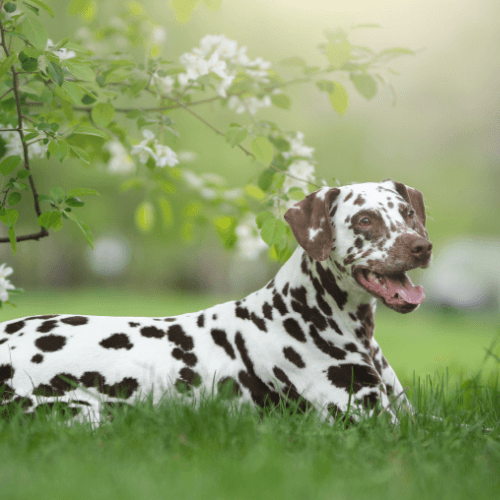
Dalmatians are medium-sized dogs with elegant, athletic bodies. Their most striking feature, of course, is their unique coat pattern. No two Dalmatians have exactly the same spots.
General Appearance
- Coat: Short, dense, and sleek. The background color is pure white, with well-defined black or liver-colored spots.
- Build: Muscular, balanced, and strong. Dalmatians are built for endurance.
- Head: Flat skull, medium length, with a long, straight muzzle.
- Eyes: Medium-sized, set well apart. Eye color can be brown, blue, or even one of each.
- Tail: Moderately long, tapering, with a slight upward curve.
Height And Weight
Here’s a quick reference for Dalmatian size:
| Gender | Height (Inches) | Weight (Pounds) |
|---|---|---|
| Male | 22–24 | 55–70 |
| Female | 20–22 | 45–60 |
Dalmatians are neither tiny lapdogs nor giant breeds, but their athletic build means they need space and activity.
Growth And Development
Dalmatian puppies are born completely white. Their spots begin appearing within 10–14 days, and patterns continue developing for months. By 8–12 weeks, most spots are visible, but some may keep developing faint spots into adulthood.
Dalmatians reach their full height by about 1 year old, but they fill out and gain muscle until 18–24 months. They mature mentally a bit later, so patience is important during adolescence.
Credit: www.borrowmydoggy.com
Dalmatian Temperament
Understanding the Dalmatian temperament is key to happy ownership. Their personality is a mix of energy, intelligence, and affection.
Key Traits
- Energetic: Dalmatians have high energy levels. They were bred to run for miles, so daily exercise is a must.
- Intelligent: Quick learners, but can be stubborn if bored or not properly motivated.
- Loyal: They bond strongly with their families and are protective.
- Playful: Enjoy games and activities, especially with children and other dogs.
- Alert: Good watchdogs, but not typically aggressive.
- Social: Thrive on companionship. They don’t like being left alone for long periods.
Social Behavior
Dalmatians are generally friendly with people when socialized early. They can be reserved or even aloof with strangers at first but usually warm up. Some Dalmatians are more outgoing, while others are cautious—personality can vary between individuals.
They often get along well with children if raised together. However, their energy can overwhelm very young kids. Supervision is wise during playtime. With other dogs, Dalmatians are usually sociable, but some males can be territorial.
Common Behavioral Issues
- Separation anxiety: Dalmatians hate being alone for too long. They may bark, chew, or dig if bored or anxious.
- Destructive behavior: Without enough exercise or mental stimulation, they invent their own fun—which can mean chewing furniture or escaping the yard.
- Stubbornness: A Dalmatian may ignore commands if training isn’t consistent or positive.
Insights Beginners Miss
- Dalmatians are sensitive to tone. Harsh discipline makes them shut down. Use rewards and calm consistency.
- They are problem-solvers. If a Dalmatian wants something (like food or out of a fence), they will try different methods until they succeed.
Dalmatian Exercise Needs
A tired Dalmatian is a happy Dalmatian. Their energy level is often underestimated by first-time owners.
Daily Exercise
Dalmatians need at least 60–90 minutes of exercise every day. This can include:
- Long walks or jogs
- Off-leash play in a secure area
- Fetch, frisbee, or agility games
- Swimming (many Dalmatians love water)
They’re great running companions, but not all are suited to marathon distances. Build up their stamina and watch for signs of overexertion, especially in hot weather.
Mental Stimulation
Physical activity is only half the equation. Dalmatians also need challenges for their minds:
- Puzzle toys and treat-dispensing games
- Basic and advanced obedience training
- Scent work or hide-and-seek games
- Rotating toys to keep things interesting
Exercise Cautions
Puppies should avoid strenuous or repetitive high-impact exercise (like jumping) until growth plates close around 12–18 months. Too much can lead to joint problems later.
Dalmatians are prone to overheating. In hot weather, exercise in the early morning or late evening, and always provide water and shade.
Dalmatian Grooming And Coat Care
The Dalmatian’s short coat is easy to care for, but don’t be fooled—they shed more than many expect!
Shedding
Dalmatians shed year-round. Their short, stiff hairs can stick to carpets and clothes. A good vacuum cleaner is a must for Dalmatian owners.
Brushing Routine
Brush your Dalmatian at least once a week with a rubber curry brush or grooming mitt. During spring and fall, increase to two or three times a week to manage heavier shedding.
Bathing
Bathing is only needed every 4–6 weeks unless your Dalmatian gets especially dirty. Use a mild dog shampoo—overbathing can dry out their skin.
Nail, Ear, And Teeth Care
- Nails: Trim every 2–4 weeks. If you hear nails clicking on the floor, it’s time.
- Ears: Check weekly for redness, odor, or wax buildup. Clean with a dog-safe ear cleaner as needed.
- Teeth: Brush teeth several times a week to prevent tartar and gum disease.
Coat Color And Spotting
Dalmatians come in two main spot colors: black and liver. Occasionally, rare colors like lemon or blue appear, but these are not recognized by all kennel clubs. Some Dalmatians have patches (large colored areas) in addition to spots.
No two Dalmatians are marked the same. The spots can be small or large, dense or sparse. This individuality is part of their charm.
Dalmatian Health And Lifespan
A healthy Dalmatian brings years of joy, but the breed has a few unique health needs.
Average Lifespan
Dalmatians live 11–13 years on average. Some reach 14–15 years with excellent care.
Common Health Issues
| Health Problem | Description | Prevention/Treatment |
|---|---|---|
| Deafness | Up to 30% of Dalmatians have some hearing loss (8% completely deaf in both ears). | Puppies should be BAER tested before adoption. Deaf dogs need special training and safety measures. |
| Urinary Stones | Dalmatians can’t process uric acid well, leading to bladder stones. | Low-purine diet, plenty of water, regular vet checks. |
| Skin Allergies | Sensitive skin can react to foods or environment. | Choose gentle shampoos, monitor diet, consult vet for persistent issues. |
| Hip Dysplasia | Improper hip joint formation, leading to arthritis. | Maintain healthy weight, responsible breeding, vet monitoring. |
Health Insights
- Deafness is linked to the same genes that cause the Dalmatian’s white coat and blue eyes. A reputable breeder will test puppies using the BAER (Brainstem Auditory Evoked Response) test.
- Urinary stones are a unique issue. Dalmatians have a genetic mutation that affects uric acid elimination. Always provide fresh water and feed a diet low in organ meats and certain fish.
Routine Veterinary Care
- Annual health checks
- Vaccinations as recommended
- Regular heartworm and flea/tick prevention
- Dental exams

Credit: www.cbreptile.com
Feeding And Nutrition
Dalmatians need a diet that matches their activity level and unique metabolism.
Basic Dietary Needs
A good Dalmatian diet should be:
- High in quality protein but moderate in purines (avoid organ meats, sardines, anchovies)
- Balanced in fats and carbohydrates for energy
- Rich in vitamins and minerals to support skin, coat, and joint health
How Much To Feed
Feed an adult Dalmatian 2–3 cups of food per day, split into two meals. Puppies require more frequent, smaller meals (3–4 times daily) until they are 6 months old.
Water
Always provide fresh water. This is especially important to dilute urine and prevent urinary stones.
Treats And Table Scraps
Limit treats to less than 10% of daily calories. Avoid high-purine snacks like liver. Fruits and veggies (carrots, green beans, apple slices) make healthy treats.
Special Diet Considerations
Work with your vet to choose a food that’s right for your Dalmatian’s age, weight, and health. Some owners feed a prescription low-purine diet to prevent stones. Read dog food labels carefully, as some premium foods include ingredients that can raise uric acid.
Training And Socialization
A well-trained Dalmatian is a joy to live with. Early and consistent training is necessary for this clever, energetic breed.
House Training
Start as soon as your puppy comes home. Dalmatians are clean by nature, but accidents happen. Take your puppy outside frequently, especially after meals and naps. Praise and reward immediately for success.
Basic Commands
Teach sit, stay, come, down, and leave it early on. Use positive reinforcement—treats, toys, or praise. Dalmatians respond best to short, upbeat training sessions (5–10 minutes), repeated several times a day.
Socialization
Expose your Dalmatian puppy to new people, pets, places, and sounds during the first 16 weeks. This helps prevent fearfulness or aggression. Puppy classes are a great way to practice.
Advanced Training
Dalmatians excel at:
- Obedience competitions
- Agility courses
- Canine sports like flyball and rally
- Trick training
They love challenges and work best when mentally engaged.
Common Mistakes
- Using harsh corrections (Dalmatians shut down under pressure)
- Inconsistent rules (confuses the dog and leads to stubbornness)
- Delaying socialization (fear and reactivity can develop)
Training Insight
A bored Dalmatian will invent their own activities, which may include digging, barking, or escaping. Structured activities prevent this.
Living With A Dalmatian
Bringing a Dalmatian into your home is a rewarding experience, but it comes with responsibilities.
Space Requirements
Dalmatians need room to move. They can live in apartments if exercised enough, but a house with a fenced yard is ideal. Fences should be at least 5 feet high—Dalmatians can jump surprisingly well.
Family Compatibility
They fit best with active families who enjoy outdoor activities. They’re wonderful with older children and enjoy being part of the action.
Time Commitment
Dalmatians are not a “set and forget” breed. Plan to spend time every day on walks, play, grooming, and companionship. Leaving them alone for long periods can lead to bad habits.
Other Pets
Most Dalmatians do well with other dogs. Early introductions and supervision are needed with cats and small animals—some Dalmatians have a strong prey drive.
Dalmatian Puppies: What To Know
Dalmatian puppies are adorable, but raising one is a big job.
Choosing A Breeder
Choose a breeder who:
- Tests for deafness (BAER test)
- Screens for hip dysplasia and other genetic issues
- Socializes puppies in a home environment
- Answers questions and offers support
Avoid buying from pet stores or unverified online ads. Reputable breeders put the breed’s health and temperament first.
Early Care
Puppies need:
- A safe, puppy-proofed space
- Frequent potty breaks
- Gentle handling and socialization
- Vaccinations and vet checks
Crate Training
A crate is a safe space for your puppy and helps with house training. Make it comfortable, and never use it for punishment.
Chewing Phase
All puppies chew. Provide durable toys and rotate them to keep your Dalmatian interested.
Dalmatian Rescue And Adoption
Not every Dalmatian starts life in the perfect home. Rescue organizations work to place Dalmatians in loving families.
Why Consider Adoption?
- Many Dalmatians end up in rescues due to their high energy and exercise needs.
- Adult dogs may already be trained and socialized.
- It’s a chance to give a dog a second chance at happiness.
Finding A Dalmatian To Adopt
Look for breed-specific rescues or check with your local shelters. Ask about the dog’s history, health, and temperament.
Adopting Special-needs Dalmatians
Some Dalmatians are deaf or have medical needs. With patience and the right training, they make wonderful companions.
For more on adoption and breed information, visit the Dalmatian Wikipedia page.
Dalmatian Myths And Misconceptions
Dalmatians are often misunderstood. Let’s clear up some common myths.
Myth: Dalmatians Are Mean Or Aggressive
Reality: Most Dalmatians are friendly and playful. Aggression is rare with proper socialization.
Myth: Dalmatians Are Good For Lazy Owners
Reality: Dalmatians need lots of exercise. A bored Dalmatian is a destructive Dalmatian.
Myth: All Dalmatians Are Deaf
Reality: Only about 8% are deaf in both ears, and around 22% are deaf in one ear. Responsible breeding reduces this risk.
Myth: Dalmatians Don’t Shed
Reality: They shed—a lot! Be ready for hair on clothes and furniture.

Credit: articles.hepper.com
Dalmatian Fun Facts
- The Dalmatian is the only spotted dog breed recognized by major kennel clubs.
- The breed became famous in the United States as firehouse mascots.
- Dalmatians were the only dog breed to run alongside horse-drawn fire wagons.
- In the Disney movie “101 Dalmatians,” animators drew over 6 million spots for all the dogs!
Frequently Asked Questions
How Much Exercise Does A Dalmatian Really Need?
Dalmatians need at least 60–90 minutes of vigorous exercise every day. This can be split into walks, runs, and play sessions. Without enough activity, they may develop behavioral problems like chewing or barking. If you’re an active person, a Dalmatian will happily join you on hikes or jogs.
Are Dalmatians Good With Children?
Yes, Dalmatians are generally good with children, especially if raised together. They love to play and are gentle with respectful kids. However, their high energy can sometimes be too much for toddlers, so supervision is important. Teach children how to interact gently with the dog.
What Are Common Health Problems In Dalmatians?
The most common health issues are deafness and urinary stones. Some Dalmatians also develop skin allergies or hip dysplasia. It’s crucial to choose a puppy from health-tested parents and provide a diet that supports urinary health. Regular vet visits help catch problems early.
Do Dalmatians Require Special Food?
Yes, Dalmatians need a low-purine diet to prevent urinary stones. Avoid foods high in organ meats, certain fish, and some commercial treats. Focus on high-quality proteins and provide plenty of water. Your vet can help you select the best food for your dog’s needs.
How Long Do Dalmatians Live?
The average Dalmatian lifespan is 11–13 years. With good care, some live to 14 or 15 years. Regular exercise, a balanced diet, and preventive veterinary care can help your Dalmatian live a long and healthy life.
Bringing a Dalmatian into your life is a big commitment but also a source of endless joy. Their loyalty, intelligence, and spirited nature make them unforgettable companions. If you’re ready for an active, affectionate, and one-of-a-kind friend, the Dalmatian could be the perfect breed for you.

We’re the dedicated team behind MyPawSafe.com, with over a decade of combined experience in veterinary care, pet emergency response, and animal behavior. While we prefer to let our work speak for itself, our mission is clear: to provide science-backed, vet-approved advice that helps pet owners prevent accidents and save lives.