Australian Shepherd Complete Guide: Temperament, Size, And Care
The Australian Shepherd stands out as one of the most intelligent, energetic, and visually striking dog breeds. With a history deeply rooted in herding, these dogs have evolved into beloved family companions, working partners, and even stars in sports and entertainment. If you’re considering an Aussie—or already share your life with one—understanding their temperament, size, and care needs is essential. This guide goes far beyond surface-level facts and gives you actionable insights, practical comparisons, and real examples, so you can make confident decisions and enjoy a happy, healthy relationship with your Aussie.
The Origins And Unique Traits Of The Australian Shepherd
Despite the name, the Australian Shepherd actually has its roots in the United States. The breed was developed during the 1800s, especially in California, by ranchers needing agile, intelligent, and hardworking dogs to herd sheep and other livestock. Their ancestors likely included collie-type dogs imported from Australia, which is where the name comes from.
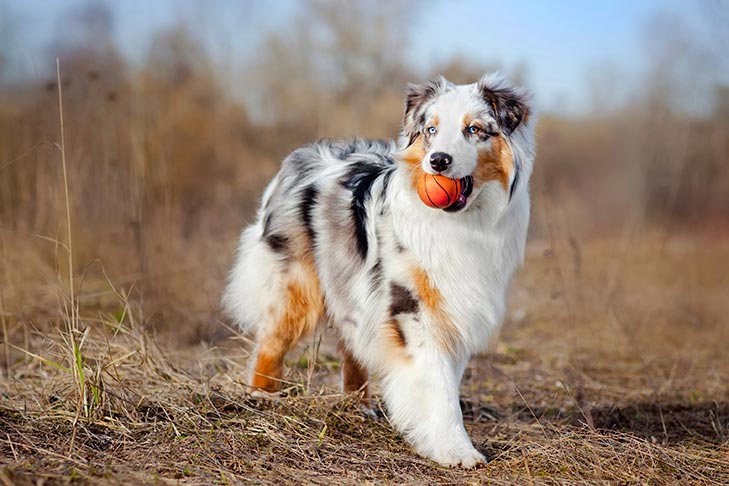
Aussies are recognized for their stunning merle coats, expressive eyes (often blue, amber, or even two different colors), and bushy tails—although many are born with naturally bobbed tails. These dogs quickly became popular due to their performance in rodeos and their ability to learn complex tricks.
Key Traits:
- High intelligence
- Strong herding instinct
- Agile and energetic
- Loyal and affectionate
- Distinctive coat patterns
Aussies are not just eye-catching. Their mental sharpness and work ethic set them apart from many other breeds. This combination is both a blessing and a challenge, especially for new owners.
Understanding Australian Shepherd Temperament
The temperament of an Australian Shepherd is one of their defining features. It shapes how they interact with their family, strangers, and other animals.
Intelligence And Trainability
Australian Shepherds are among the smartest dog breeds. They thrive on mental stimulation and quickly learn commands, tricks, and routines. In fact, many Aussies excel in dog sports such as agility, obedience, and flyball.
Example: An Aussie can learn complex tasks like opening doors or fetching specific items by name. This intelligence also means they can get bored easily. A bored Aussie may invent their own games—sometimes involving chewing shoes or herding children!
Non-obvious insight: While their intelligence makes training easier, it also means Aussies notice patterns and inconsistencies. If you’re not consistent with rules or routines, they may test boundaries or try to outsmart you.
Energy Levels And Playfulness
Aussies have very high energy. They need regular physical activity, not just walks. Running, playing fetch, hiking, and participating in dog sports are ideal. Without enough exercise, they can become restless or destructive.
Common mistake: Many new owners underestimate the amount of exercise Aussies need. A simple walk around the block will not be enough for most adult Aussies.
Social Nature And Loyalty
Aussies are deeply loyal to their families and often form strong bonds with one or two people. They are generally good with children, but their herding instinct means they may try to “herd” kids by nipping gently at heels. Early socialization and training can minimize this behavior.
Example: An Aussie may follow you from room to room, always wanting to stay close and be involved in whatever you’re doing.
Protective Instincts
Australian Shepherds can be wary of strangers. They are not aggressive, but their protective nature makes them good watchdogs. Aussies will bark to alert you of anything unusual, but excessive barking can be managed with training.
Practical tip: Introduce your Aussie to new people and situations often, especially when they are puppies. This helps them become more relaxed and confident.
Comparison Table: Aussie Temperament Vs Other Herding Breeds
| Breed | Energy Level | Trainability | Herding Instinct | Family Loyalty |
|---|---|---|---|---|
| Australian Shepherd | Very High | Exceptional | Strong | Strong |
| Border Collie | Very High | Exceptional | Very Strong | Moderate |
| Shetland Sheepdog | High | High | Moderate | Strong |
| German Shepherd | High | High | Moderate | Very Strong |
Credit: www.akc.org
Australian Shepherd Size And Physical Appearance
Understanding the size and physical characteristics of an Australian Shepherd is vital for choosing the right dog and preparing your home.
Standard Vs Miniature Australian Shepherd
There are two main types: the Standard Australian Shepherd and the Miniature Australian Shepherd (sometimes called Mini American Shepherd). Both share similar traits, but their sizes differ.
Standard Australian Shepherd:
- Height: 18–23 inches (male), 18–21 inches (female)
- Weight: 40–65 pounds (male), 35–55 pounds (female)
Miniature Australian Shepherd:
- Height: 13–18 inches
- Weight: 20–40 pounds
Non-obvious insight: The Miniature Aussie is not just a smaller version. Some Mini Aussies may have slightly different energy levels and temperament, but they still need plenty of exercise and stimulation.
Coat Colors And Patterns
Australian Shepherds have one of the most diverse coat patterns among breeds. Common colors include:
- Blue Merle: Grayish-blue base with black spots or patches
- Red Merle: Light red base with darker red patches
- Black: Solid or with white markings
- Red: Solid or with white markings
Many Aussies have white chests, legs, and facial markings, and copper points above their eyes or on their cheeks.
Eye Colors: Aussies can have blue, brown, amber, or even two different colored eyes (heterochromia). This unique trait is highly prized.
Appearance Comparison: Standard Vs Mini Aussie
| Feature | Standard Aussie | Mini Aussie |
|---|---|---|
| Height | 18–23 inches | 13–18 inches |
| Weight | 40–65 pounds | 20–40 pounds |
| Coat | Medium, dense, wavy | Medium, dense, wavy |
| Tail | Bobbed or long | Bobbed or long |
Grooming Needs
Australian Shepherds have a medium-length double coat. They shed throughout the year, especially in spring and fall. Regular brushing is needed to keep their coat healthy and to minimize shedding.
Common mistake: Many owners believe Aussies are low-maintenance. In reality, weekly brushing and occasional baths are necessary, especially for active dogs that spend time outdoors.
Essential Australian Shepherd Care
Proper care is key to a happy, healthy Aussie. This section covers the most important aspects of Aussie care, from feeding to exercise, grooming, health, and training.
Nutrition And Feeding
Australian Shepherds need a balanced diet rich in protein, healthy fats, and carbohydrates. The exact amount depends on their age, size, and activity level.
Adult Aussie daily feeding:
- Standard Aussie: 2–3 cups of high-quality dry food
- Mini Aussie: 1–2 cups
Puppies: Require more frequent, smaller meals to support growth.
Practical tip: Choose food that lists real meat as the first ingredient. Avoid cheap foods with fillers like corn or soy.
Non-obvious insight: Aussies can be prone to food allergies. If your dog shows signs of itching, digestive upset, or ear infections, consult your vet about possible dietary changes.
Exercise And Activity
Aussies need much more exercise than the average dog. Aim for at least 1–2 hours per day of vigorous activity. This can include:
- Running or jogging
- Hiking
- Playing fetch
- Agility or obedience training
Example: An Aussie will happily join you for a 5-mile hike and still want to play afterwards.
Common mistake: Not providing enough mental stimulation. Aussies need brain games, puzzle toys, and new challenges.
Activity Comparison Table: Aussie vs Other Breeds
| Breed | Daily Activity Needed | Type of Activities |
|---|---|---|
| Australian Shepherd | 90–120 minutes | Hiking, agility, fetch |
| Labrador Retriever | 60–90 minutes | Running, swimming, fetch |
| Golden Retriever | 60–90 minutes | Walking, swimming, fetch |
| Pug | 30–45 minutes | Short walks, play |
Grooming And Coat Care
Regular grooming keeps your Aussie’s coat healthy and comfortable. Brush your dog 2–3 times per week, and more often during shedding seasons.
Steps for grooming:
- Brush out tangles and mats gently
- Check for burrs and debris, especially after outdoor play
- Bathe every 6–8 weeks, or as needed
- Trim nails regularly
- Clean ears to prevent infections
Non-obvious insight: Aussies are prone to mats behind their ears and under their legs. These areas need extra attention.
Health And Vet Care
Australian Shepherds are generally healthy, but some genetic issues can occur. Common concerns include:
- Hip dysplasia
- Elbow dysplasia
- Eye issues (like cataracts and progressive retinal atrophy)
- Epilepsy
Life expectancy: 12–15 years
Practical tip: Schedule regular vet check-ups. Early diagnosis of hip or eye problems can improve your dog’s quality of life.
Common mistake: Skipping vaccinations or parasite prevention. Aussies who spend time outdoors need protection from ticks, fleas, and heartworms.
Training And Socialization
Training is essential for Aussies. They respond well to positive reinforcement and love learning new things.
Training tips:
- Start early, especially with socialization
- Use short, consistent training sessions
- Reward with treats, praise, or play
- Teach basic commands and gradually advance to more complex tricks
Example: An Aussie can learn commands like “sit,” “stay,” “heel,” and even advanced tricks like “spin,” “crawl,” or “fetch specific toys.”
Non-obvious insight: Aussies are sensitive to tone and body language. Harsh corrections can make them anxious or stubborn. Gentle guidance works best.

Credit: petpawz.com.au
Living With An Australian Shepherd
Bringing an Aussie into your home is a big commitment. Their needs go beyond food and walks.
Home Environment
Australian Shepherds do best in homes with space to run and play. A fenced yard is ideal. Apartment living is possible, but only if you’re committed to daily exercise and mental stimulation.
Practical tip: Aussies can jump or climb fences. Make sure your yard is secure.
Family Compatibility
Aussies are great with children, but supervision is needed, especially with young kids. Their herding instinct can lead to nipping or chasing games, which might scare toddlers.
Example: An Aussie will often become the “guardian” of the family, watching over everyone and alerting you to strangers or unusual events.
Alone Time And Separation Anxiety
Aussies love being with their people. Too much alone time can lead to separation anxiety, barking, or destructive behavior.
Steps to minimize separation anxiety:
- Gradually increase time alone
- Provide toys and puzzles
- Leave the radio or TV on for background noise
- Consider dog daycare if gone for long hours
Common mistake: Leaving Aussies alone for 8–10 hours a day. This often leads to behavioral problems.
Travel And Adventure
Australian Shepherds make great travel companions. They enjoy car rides, hikes, and trips to new places. Always use a secure harness or crate when traveling.
Non-obvious insight: Aussies adapt quickly to new environments, but sudden changes or loud noises can make them anxious. Bring familiar toys and bedding for comfort.
Choosing An Australian Shepherd: What You Need To Know
If you’re thinking about adding an Aussie to your family, preparation is key.
Finding A Reputable Breeder Or Rescue
Choose a breeder who:
- Performs health testing for hips, eyes, and genetic diseases
- Socializes puppies early
- Provides clear records and guarantees
Rescue groups can be a great option. Many Aussies end up in shelters because their previous owners couldn’t meet their needs.
External Resource: For more info on breed standards and health, visit Wikipedia.
Puppy Vs Adult Aussie
Puppies: Need lots of time, training, and patience. They can be a handful, but you shape their behavior from the start.
Adult Aussies: May already know basic commands and routines. Rescued adults often need patience and retraining, but they can be less work than puppies.
Practical tip: Meet the parents if possible. Aussie puppies often inherit temperament and health from their parents.
Common Buyer Mistakes
- Choosing based on looks, not temperament or energy level
- Underestimating exercise and training needs
- Not budgeting for vet care, grooming, and food
- Ignoring the need for mental stimulation
Non-obvious insight: Some Aussies have strong herding drive and may not suit homes with small pets. Ask breeders or rescues about individual puppy personalities.

Credit: www.trupanion.com
Frequently Asked Questions
What Makes Australian Shepherds Different From Other Herding Breeds?
Australian Shepherds combine high intelligence, strong herding instinct, and family loyalty. Their unique coat patterns and expressive eyes also set them apart. Compared to other herding breeds, Aussies tend to be more playful and closely bonded to their owners.
How Much Exercise Does An Australian Shepherd Need Daily?
Aussies require at least 1–2 hours of vigorous activity every day. This can include running, hiking, playing fetch, or dog sports. Mental stimulation is just as important as physical activity. Without enough exercise, they can develop behavioral issues.
Are Australian Shepherds Good With Children And Other Pets?
Aussies are usually good with children and can get along with other pets, especially if socialized early. However, their herding instinct may cause them to chase or nip at kids. Supervision and training are important, especially around young children and small animals.
What Health Problems Are Common In Australian Shepherds?
Common health issues include hip dysplasia, eye problems like cataracts and PRA, and epilepsy. Regular vet visits, health screenings, and proper care can help prevent or manage these conditions. Responsible breeders test for genetic diseases.
How Do I Groom An Australian Shepherd Properly?
Brush your Aussie 2–3 times a week, focusing on areas prone to mats (behind the ears, under the legs). Bathe them every 6–8 weeks, trim nails regularly, and clean ears to prevent infections. During shedding seasons, increase brushing to manage loose hair.
Australian Shepherds are truly remarkable companions—intelligent, energetic, loyal, and beautiful. But they are not a “set it and forget it” breed. Aussies need engagement, exercise, and consistent training every day. If you’re ready for an active lifestyle and a dog who will be your constant partner, the Australian Shepherd will reward you with unwavering loyalty and endless fun.
With the right preparation and care, you and your Aussie can build a relationship that lasts a lifetime.

We’re the dedicated team behind MyPawSafe.com, with over a decade of combined experience in veterinary care, pet emergency response, and animal behavior. While we prefer to let our work speak for itself, our mission is clear: to provide science-backed, vet-approved advice that helps pet owners prevent accidents and save lives.