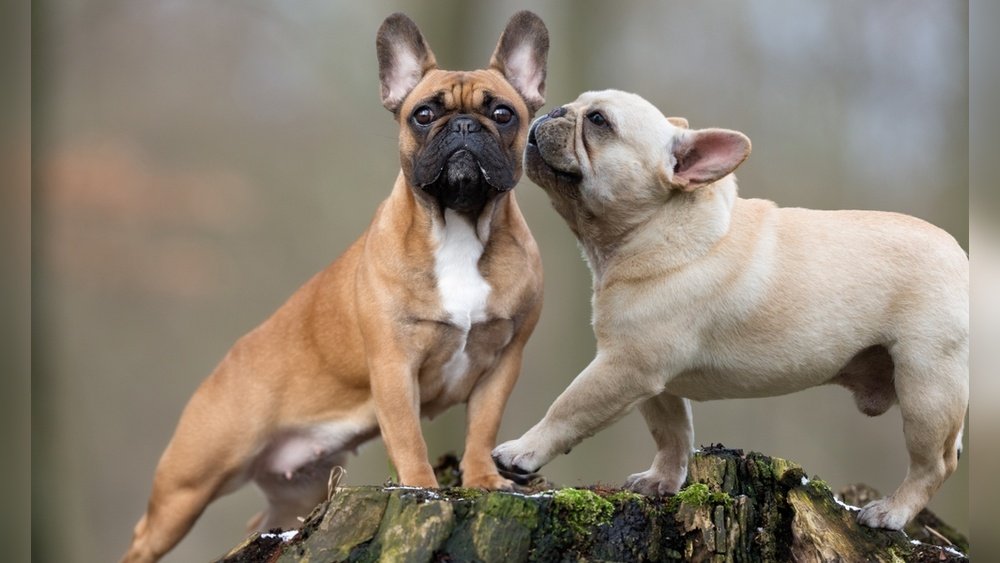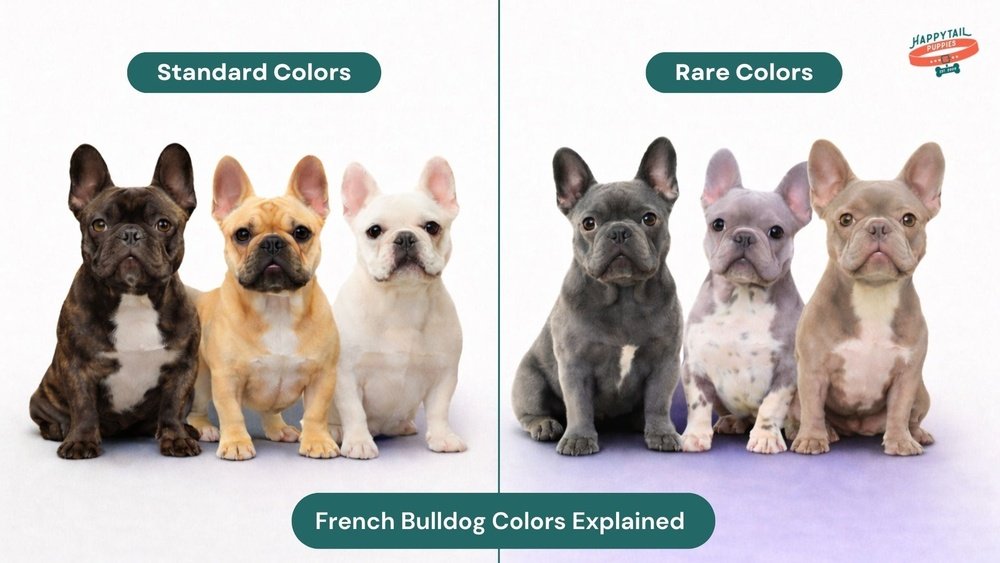

French Bulldog Puppy Training: First 30 Days At Home
Welcoming a French Bulldog puppy into your home is an exciting adventure. These little dogs are charming, playful, and full of personality. But early training is essential for a happy, well-adjusted companion. The first 30 days are a critical window to set good habits, teach basic commands, and help your puppy feel safe and confident. With clear steps and consistent routines, you can make the transition smooth for both you and your new friend.
This guide covers 30 key training tasks for the first month at home. Each section gives practical advice, examples, and insights that help beginners avoid common mistakes. Whether you’re new to puppy parenting or want to improve your approach, you’ll find everything you need to start strong and build a lifelong bond.
1. Setting Up A Safe Space
Before your puppy arrives, prepare a safe area where they can rest and play. A crate or a playpen works well. This space should be free from hazards like electrical cords, small objects, or toxic plants. Place a comfortable bed, water bowl, and a few safe toys inside.
Why is this important? Puppies need a secure spot to retreat when they feel overwhelmed. It also helps with potty training and reduces anxiety. Avoid letting your puppy roam the entire house at first. Gradually expand their freedom as they learn boundaries.
Think about the location too. Place the safe space where you spend time, but not in a busy spot. For example, a quiet corner of the living room is better than a hallway with lots of foot traffic. Puppies feel safer when they see you but aren’t constantly disturbed.
2. Introducing The Crate
Crate training is not about confinement—it’s about providing a den-like space. Start by placing the crate in a quiet corner. Leave the door open and encourage your puppy to explore with treats and toys. Never force your puppy into the crate.
French Bulldogs often adapt well, but some may resist at first. Keep sessions short, and praise calm behavior. The crate should never be used for punishment. Proper crate training prevents accidents and gives your puppy a safe place to sleep.
If your puppy seems anxious, try covering part of the crate with a blanket to make it feel more enclosed. Some puppies like a piece of your clothing for comfort. Over time, your puppy will see the crate as their own special spot, helping them settle quickly.
3. Creating A Routine
Puppies thrive on consistent routines. Set regular times for meals, play, potty breaks, and bedtime. Use the same spot for feeding and bathroom trips. Consistency helps your puppy understand expectations and reduces stress.
A typical schedule might include:
- Morning potty break
- Breakfast
- Playtime
- Nap
- Afternoon potty break
- Dinner
- Evening walk
- Bedtime
Adjust the routine as your puppy grows. Avoid sudden changes, as this can confuse your puppy.
A helpful tip: Use your phone or a small notebook to track routines, especially for potty times. Patterns will emerge, making it easier to predict when your puppy needs a break. This helps minimize accidents and builds trust.
4. First Potty Training Steps
Start potty training immediately. Take your puppy outside every 2–3 hours, after meals, naps, and play. Use a designated spot and wait patiently. Praise your puppy when they go.
French Bulldogs have small bladders, so accidents are normal. Never scold for mistakes; instead, clean up thoroughly to remove odors. If you catch your puppy in the act, interrupt calmly and take them outside.
Many owners use puppy pads indoors, but these can confuse your puppy if used too long. If you choose pads, place them near the door and gradually move them outside. Outdoors is always best, but pads help during bad weather or at night.
5. Teaching Their Name
Choose a short, clear name and use it often. Say the name in a happy tone, then reward with treats or affection. Repeat several times a day.
Avoid using the name for scolding. Your puppy should learn that their name means good things. Soon, they’ll respond quickly when called.
For best results, use the name before every positive interaction: meals, play, walks, and treats. Over time, your puppy will associate their name with attention and rewards, making recall easier.
6. Basic Sit Command
Start with the sit command. Hold a treat above your puppy’s nose and move it back toward their head. As their bottom touches the ground, say “sit” and reward immediately.
Practice several times daily, keeping sessions short. French Bulldogs are smart but stubborn, so patience is key. Always use positive reinforcement.
If your puppy doesn’t sit, gently guide their bottom down while repeating the command. Avoid pushing hard or showing frustration. Celebrate small progress, as even partial sits count at first.
7. Socializing With Family
Introduce your puppy to family members slowly. Let your puppy approach at their own pace. Teach children to be gentle and avoid loud noises.
Socialization builds confidence and prevents fearfulness. Encourage calm interactions and supervise closely. Never leave young children alone with a puppy.
Rotate family members during feeding and playtime. This teaches your puppy to trust everyone, not just one person. If someone is nervous, have them sit quietly and offer treats until the puppy feels comfortable.
8. Gentle Handling Exercises
Touch your puppy’s paws, ears, and mouth gently while rewarding calm behavior. This prepares them for grooming and vet visits.
Many owners skip this step, leading to struggles later. Spend a few minutes each day on handling. If your puppy resists, stop and try again later.
Try using soft brushes or your fingers to touch sensitive areas. Over time, your puppy will accept handling, making nail trims and ear cleaning much easier. If your puppy squirms, distract with treats and praise.
9. Early Leash Training
Attach a light leash and let your puppy drag it around indoors. Once comfortable, hold the leash and walk a few steps. Reward for following.
French Bulldogs can be stubborn, so use encouragement rather than force. Avoid pulling or jerking the leash. Practice short walks inside before venturing outdoors.
If your puppy bites the leash or refuses to walk, pause and redirect with a treat. Every positive step counts. Use a harness if your puppy pulls, as it’s safer for their neck.
10. First Bath Experience
Baths can be stressful for puppies. Use lukewarm water and a gentle puppy shampoo. Keep sessions brief and positive.
Speak softly, and reward your puppy for calmness. Dry thoroughly, especially the skin folds. Never leave your puppy unattended in the tub. Regular baths help with socialization and hygiene.
Prepare towels and shampoo before starting. Let your puppy see and sniff them. If your puppy is scared, try a sponge bath first. After the bath, offer a favorite toy or treat to make the experience pleasant.

Credit: www.amazon.com
11. Introducing New Sounds
Expose your puppy to common household noises—vacuum cleaner, TV, doorbell. Start with low volume and reward calm behavior.
Early exposure prevents fear of loud sounds later. Don’t overwhelm your puppy; gradually increase volume and variety.
You can play recordings of city sounds, thunderstorms, or other noises. If your puppy shows fear, comfort gently but don’t coddle. Gradual exposure helps your puppy adapt to everyday life.
12. Meeting Other Pets
If you have other pets, introduce them slowly. Use leashes or barriers at first. Watch for signs of stress or aggression.
French Bulldogs often get along with other dogs, but supervision is essential. Never force interactions. Allow your puppy to retreat if needed.
Allow pets to sniff each other through a gate before direct contact. Reward both pets for calm behavior. Over several days, increase time together. Don’t rush—slow introductions prevent fights and stress.
13. Handling Separation
Practice short periods of alone time. Leave your puppy in their safe space with a toy. Start with a few minutes, gradually increasing.
Many puppies develop separation anxiety if not trained early. Avoid making departures dramatic. Calmly say goodbye and return without fanfare.
Use puzzle toys or treat dispensers to keep your puppy busy when alone. If your puppy cries, wait until they are calm before returning. This teaches independence and reduces anxiety.
14. Encouraging Play
Play is essential for development. Use safe toys and rotate them regularly. Interactive games like tug or fetch build bonds and provide exercise.
French Bulldogs love play but tire easily. Watch for signs of fatigue and stop if needed. Avoid rough play that could cause injury.
Try puzzle toys that challenge your puppy’s mind. Short play sessions throughout the day keep your puppy active without overwhelming them. Use different toys to keep play interesting.
15. Introducing Collar And Id Tag
Put on a soft collar for short periods each day. Attach an ID tag with your contact information. Check fit—two fingers should fit between collar and neck.
Collars are new for puppies, so expect scratching or discomfort at first. Remove if your puppy shows distress. Never leave the collar on during crate time.
Let your puppy sniff the collar before putting it on. Praise and reward when worn calmly. Over several days, increase collar time until your puppy forgets it’s there.
16. Preventing Biting And Chewing
Redirect biting and chewing to safe toys. If your puppy bites hands or feet, say “no” firmly and offer a toy.
French Bulldogs have strong jaws. Start early to prevent destructive habits. Never punish by hitting or shouting; this causes fear.
Try frozen chew toys for teething relief. If your puppy chews furniture, block access or use bitter sprays. Rotate toys often to keep your puppy interested.
17. Teaching “come” Command
Call your puppy’s name, then say “come” in a cheerful tone. Reward immediately when they approach.
Practice in a quiet area first. Gradually add distractions as your puppy improves. “Come” is a life-saving command, so reinforce it often.
Use a long leash outdoors for safety. If your puppy hesitates, crouch down and open your arms. Make coming to you fun and rewarding.
18. First Vet Visit Preparation
Schedule a vet appointment during the first month. Prepare your puppy by handling them gently and using a crate for transport.
Bring vaccination records and a list of questions. The vet will check health, answer concerns, and guide you on care. Early visits build trust and prevent future stress.
Let your puppy sniff the crate and car before the trip. Practice short rides beforehand. After the visit, reward your puppy for bravery.
19. Recognizing Signs Of Stress
Watch for signs like panting, drooling, hiding, or whining. Stress is common in new environments.
Address causes gently. Provide comfort and avoid overwhelming situations. Gradual exposure and positive reinforcement help your puppy adapt.
If your puppy refuses food or play, check for stress. Create quiet time and use familiar toys to help your puppy relax.
20. Establishing Boundaries
Set clear boundaries—where your puppy can go, what they can chew, and where they sleep. Use gates or closed doors if needed.
Consistency is key. If you allow something once, your puppy will expect it always. Avoid mixed signals. Boundaries help your puppy feel safe and understand their place.
Mark off rooms with baby gates. Use clear commands like “no” or “off” for forbidden areas. Praise your puppy for staying within limits.
21. Teaching “down” Command
Hold a treat in your hand and move it to the floor. As your puppy lies down, say “down” and reward.
French Bulldogs respond well to food motivation. Keep sessions positive and short. Practice daily for best results.
If your puppy stands up, restart calmly. Use a mat or blanket to teach “down” in the same spot each time.
22. First Outdoor Walk
Once vaccinations are complete, take your puppy for short walks outside. Use a harness for comfort and control.
Start in quiet areas. Let your puppy explore, but keep walks brief. Outdoor exposure builds confidence and helps with socialization.
Bring water and take breaks often. If your puppy hesitates, let them sit and observe. Gradually increase walk length as confidence grows.
23. Introducing Grooming Tools
Show your puppy brushes, nail clippers, and wipes. Let them sniff and explore each tool. Use treats to create positive associations.
French Bulldogs need regular grooming, especially face folds and ears. Early introduction prevents resistance later.
Try gentle brushing sessions after playtime when your puppy is calm. Make grooming a fun bonding activity, not a chore.
24. Basic “stay” Command
Ask your puppy to sit, then say “stay” with an open palm. Take one step back, then return and reward.
Increase distance and duration gradually. “Stay” helps with impulse control and safety. Practice in different settings for reliability.
Use different cues—like “wait” at doors—to reinforce impulse control. Celebrate each success, even for a few seconds.
25. Handling Feeding Time
Feed at the same time daily. Use a puppy-specific food and measure portions carefully.
French Bulldogs are prone to obesity. Avoid free-feeding and monitor weight. Remove uneaten food after 15 minutes.
Use feeding mats to prevent spills. If your puppy eats too fast, try a slow-feeder bowl. Track weight weekly to spot changes early.
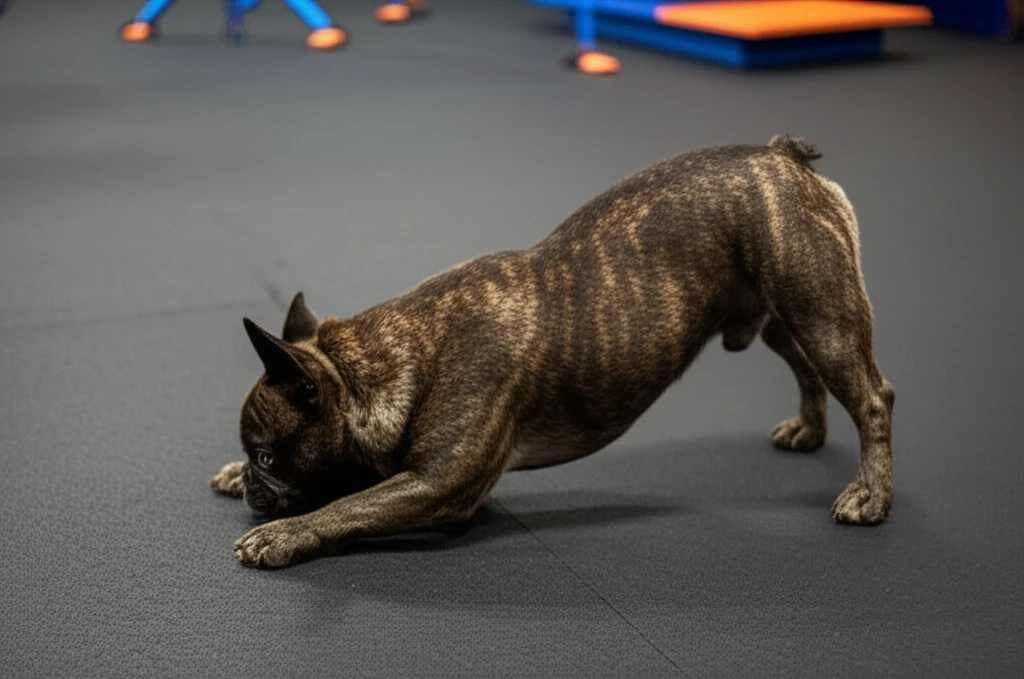
26. Early Car Rides
Take your puppy on short car trips. Use a crate or seatbelt harness for safety.
Start with calm drives, then gradually increase duration. Many puppies are nervous in cars, so keep experiences positive.
Play gentle music and speak softly during rides. If your puppy gets carsick, open windows slightly and avoid feeding right before trips.
Credit: www.zoomroom.com
27. Introducing New People
Invite friends over, one at a time. Let your puppy approach at their own pace. Reward calm greetings.
Avoid overwhelming your puppy with large groups or loud voices. Early socialization prevents fearfulness.
Ask guests to sit on the floor and offer treats. If your puppy retreats, let them observe from a distance. Small steps build confidence.
28. Dealing With Barking
French Bulldogs are not big barkers, but some bark when excited or scared. Ignore unnecessary barking and reward quiet behavior.
Never yell or punish barking. Identify the cause—boredom, fear, or alertness. Address the root problem.
Teach “quiet” by rewarding silence. If barking persists, offer a distraction or redirect to another activity.
29. Managing Energy Levels
Monitor your puppy’s activity and rest. French Bulldogs have bursts of energy, then need naps.
Don’t over-exercise or overstimulate. Puppies under four months need several naps per day. Watch for signs of exhaustion.
Create a calm bedtime routine: soft lights, gentle music, and quiet cuddling. This helps your puppy settle and sleep better.
30. Celebrating Progress
Track milestones—first “sit,” sleeping through the night, or meeting new people. Celebrate with treats, praise, or play.
Small wins build confidence for both you and your puppy. Keep a journal to record progress and challenges.
Review achievements weekly. If you face setbacks, adjust your approach and celebrate even tiny improvements.
Comparing French Bulldog Puppies To Other Breeds
To help you understand the unique needs of French Bulldog puppies, here’s a comparison with other popular breeds.
| Breed | Energy Level | Trainability | Social Needs | Common Health Issues |
|---|---|---|---|---|
| French Bulldog | Low–Moderate | Stubborn but smart | High | Respiratory, skin folds |
| Labrador Retriever | High | Very trainable | High | Hip dysplasia, obesity |
| Poodle | Moderate | Highly trainable | Moderate | Ear infections, allergies |
| German Shepherd | High | Smart, sometimes stubborn | Moderate | Hip/elbow dysplasia |
French Bulldogs are more relaxed and require gentle training. Their stubbornness means patience and repetition are essential. Unlike Labs or Shepherds, Frenchies dislike harsh discipline and need frequent encouragement. Their social needs are high—they thrive on human contact and get lonely if left alone too often.
Potty Training Progress Over 30 Days
Here’s a look at typical potty training progress for French Bulldog puppies during the first month.
| Day | Expected Progress | Common Mistakes |
|---|---|---|
| 1–7 | Frequent accidents, beginning to understand routine | Inconsistent schedules, scolding accidents |
| 8–14 | Improved awareness, fewer accidents | Not praising successes |
| 15–21 | Consistent use of potty spot, rare accidents | Too much freedom |
| 22–30 | Almost fully trained, responds to signals | Skipping potty breaks |
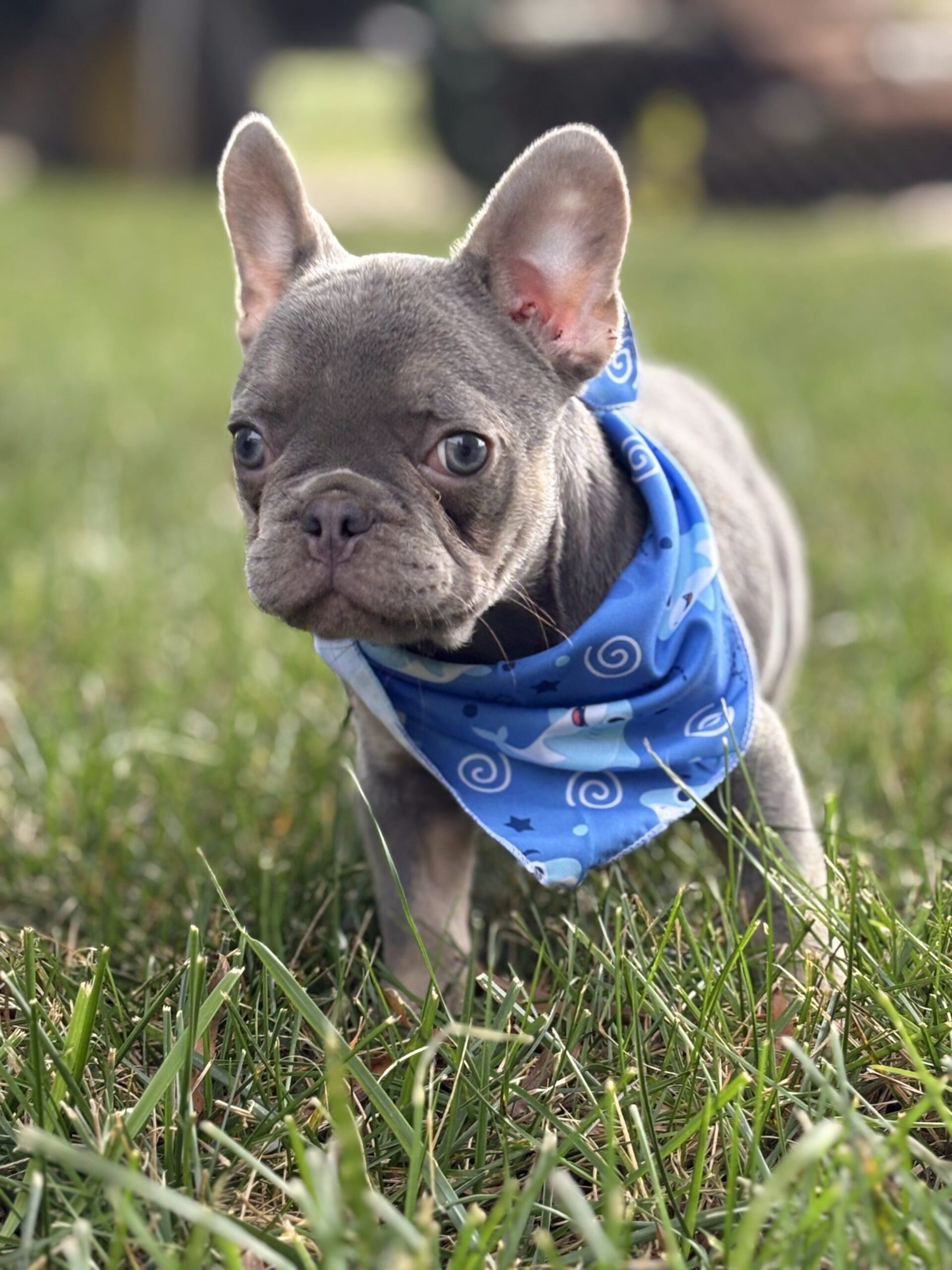
Consistency is key. Avoid common mistakes like changing routines or punishing accidents. Puppies learn faster when you use the same potty spot and reward each success. If accidents happen, review your schedule and adjust as needed.
Credit: www.furrytailedfriends.com
Common Puppy Training Mistakes
Even experienced owners make mistakes. Here’s a quick overview.
| Mistake | Impact | How to Avoid |
|---|---|---|
| Inconsistent rules | Confuses puppy, slows learning | Stick to routines and boundaries |
| Too much freedom | More accidents, chewing, stress | Expand space gradually |
| Negative reinforcement | Creates fear, damages trust | Use positive rewards |
| Skipping socialization | Leads to fearfulness, aggression | Expose puppy to people, pets, sounds |
Non-obvious insight: Many owners focus on commands but forget socialization and handling exercises. These are just as important as “sit” or “stay.” Another tip: Puppies learn best when lessons are short, frequent, and fun—not long and stressful.
Also, many owners ignore signs of stress, thinking it’s normal puppy behavior. If your French Bulldog looks uncomfortable, take a break and revisit the training later. Building trust is more important than speed.
Frequently Asked Questions
How Many Hours Should A French Bulldog Puppy Sleep Each Day?
French Bulldog puppies need 18–20 hours of sleep daily. Sleep is important for growth and development. Let your puppy nap as needed, and avoid waking them unless necessary.
What Age Can I Start Training My French Bulldog Puppy?
Training starts as soon as your puppy arrives home, usually at 8–10 weeks old. Begin with simple routines, socialization, and basic commands. Don’t wait—early training prevents bad habits.
How Do I Handle Stubborn Behavior During Training?
French Bulldogs can be stubborn. Use positive reinforcement—treats, praise, and play. Keep sessions short. Never punish or yell. If your puppy resists, take a break and try later.
When Can My French Bulldog Puppy Go Outside For Walks?
Wait until your puppy has received all core vaccinations, usually by 12–16 weeks. Before that, stick to safe, clean areas. Consult your vet if unsure.
What Should I Do If My Puppy Has Frequent Accidents Indoors?
Review your routine. Take your puppy outside more often, especially after eating, drinking, or waking up. Clean accidents thoroughly and avoid punishment. If problems continue, ask your vet to rule out medical issues. For more guidance, check reputable sources like AKC.
The first 30 days with a French Bulldog puppy are full of learning, bonding, and fun. By following these steps, you build a strong foundation for a happy, well-behaved companion. Remember, patience and consistency matter most. Celebrate progress, embrace challenges, and enjoy every moment with your new friend.

We’re the dedicated team behind MyPawSafe.com, with over a decade of combined experience in veterinary care, pet emergency response, and animal behavior. While we prefer to let our work speak for itself, our mission is clear: to provide science-backed, vet-approved advice that helps pet owners prevent accidents and save lives.