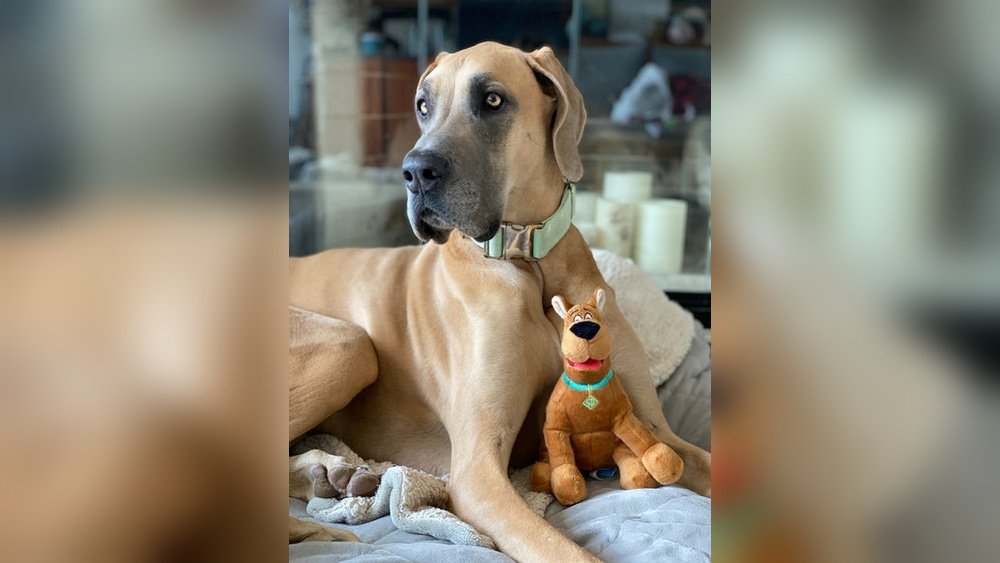
The Great Dane is often called the “gentle giant” of the dog world. With their towering height, loving nature, and impressive appearance, these dogs capture attention wherever they go. But there’s much more to this breed than just their size. For anyone considering a Great Dane as a companion, understanding their temperament, care needs, and health is essential. This complete guide gives you everything you need to know to decide if the Great Dane is the right fit for your home and lifestyle.
The Unique Temperament Of The Great Dane
Great Danes may look intimidating because of their large bodies, but their personality is quite the opposite. In fact, most owners describe them as affectionate, patient, and even a bit goofy.
Gentle And Affectionate
Despite their size, Great Danes are gentle dogs. They love to be around people and often try to sit on your lap, not realizing how big they actually are. They form strong bonds with family members, including children, and are known for their loyalty and protective instincts.
One thing that surprises new owners is just how sensitive these dogs can be. A harsh tone can hurt their feelings, so positive reinforcement works best for training.
Sociable But Selective
Great Danes are usually friendly with strangers, but early socialization is important. If they meet many people, animals, and situations as puppies, they grow up to be well-adjusted adults. Some Danes can be a bit reserved or even shy if not socialized enough.
With other dogs, Great Danes can do well, but their size may overwhelm smaller breeds. Always supervise first meetings and be cautious with unknown dogs.
Protective Instincts
While not aggressive by nature, Great Danes are natural guardians. Their deep bark and imposing look are often enough to deter intruders. However, they are not attack dogs and usually only become defensive if they sense a real threat to their family.
Playful And Clownish
Many people are surprised to find out how playful Great Danes are, especially as puppies and young adults. They love to run, fetch, and even act a little silly. Their clumsy movements can be hilarious, but watch out for knocked-over furniture!
Common Temperament Challenges
- Separation Anxiety: Great Danes thrive on human company. They can become anxious if left alone for long periods, leading to destructive behavior.
- Sensitivity: They do not respond well to harsh discipline or rough handling.
- Overexcitement: Their size makes jumping up or running indoors risky, so early training to manage excitement is a must.
Size And Physical Characteristics
The Great Dane is one of the largest dog breeds in the world. Their size alone is both impressive and sometimes a challenge.
Height And Weight
Great Danes stand out for their height. Here’s a look at typical measurements:
| Gender | Height (inches) | Weight (pounds) |
|---|---|---|
| Male | 30 – 34 | 140 – 175 |
| Female | 28 – 32 | 110 – 140 |
Some males can even reach over 200 pounds. The world record holder, Zeus, measured 44 inches at the shoulder!
Physical Features
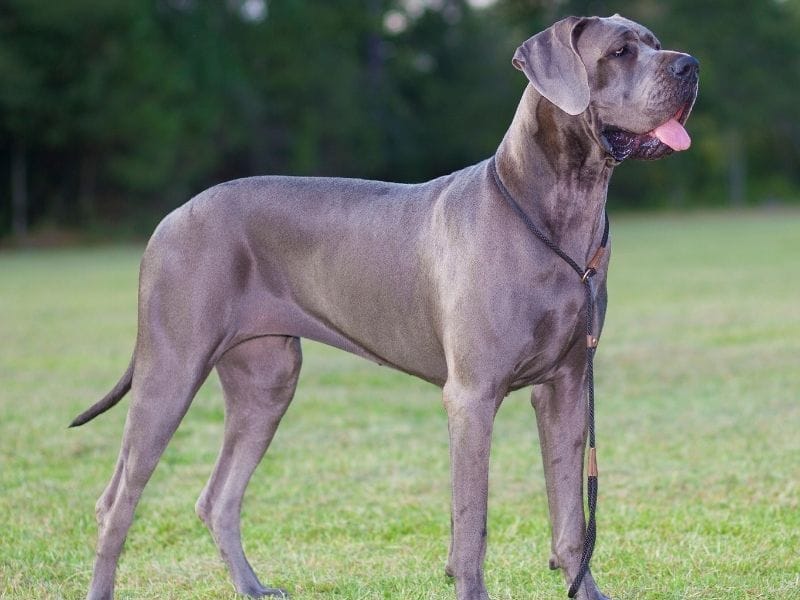
- Head: Long and rectangular, with a strong jaw and expressive eyes.
- Ears: Naturally floppy, though sometimes cropped (less common today).
- Body: Muscular, with a deep chest and straight back.
- Tail: Long and straight, often described as a “whip tail.”
Coat And Colors
Great Danes have short, smooth coats that are easy to care for. Accepted colors include:
- Fawn (gold with black mask)
- Brindle (fawn and black stripes)
- Blue (solid steel blue)
- Black
- Harlequin (white with black patches)
- Mantle (black and white with specific markings)
Some non-standard colors exist, but these are not recognized for show purposes.
Growth And Development
Great Danes grow rapidly, especially in their first year. By the age of 6 months, many are already larger than most adult dogs. Full physical maturity is usually reached around 18 to 24 months. Because of their fast growth, puppies need careful nutrition and exercise to avoid joint and bone problems.
Living With A Great Dane: Home, Space, And Family Life
A Great Dane’s size and temperament make them best suited for certain types of homes and families.
Space Requirements
Despite their size, Great Danes can adapt to apartment living if given enough exercise and a comfortable space to stretch out. However, a house with a fenced yard is ideal. They are not suited for being left outside or in a kennel.
Space Tips
- Provide a large, soft bed to protect their joints.
- Make sure there’s room for them to move comfortably, especially when wagging their tail.
- Puppy-proof your home—tail-level items can get knocked over!
Family Compatibility
Great Danes are usually great with children because of their patient nature. Still, their sheer size can accidentally knock over small kids, so supervision is important. They are also generally friendly with other pets if introduced properly.
Notable Home Challenges
- Slobber: Many Great Danes drool, especially after eating or drinking.
- Furniture: They often think they are lap dogs and may take over couches and beds.
- Height: Counters and tables are easy for them to reach, so food and valuables should be kept out of reach.
Exercise And Activity Needs
Great Danes are not as high-energy as some breeds, but they do need regular activity to stay healthy and happy.
Daily Exercise
Aim for at least 30 to 60 minutes of moderate exercise each day. This can include:
- Leashed walks (avoid over-exercising puppies)
- Playtime in a secure yard
- Gentle games of fetch
Activities To Avoid
Avoid high-impact activities like jumping or running on hard surfaces while your Great Dane is still growing. Their bones and joints are developing, and too much stress can cause long-term problems.
Mental Stimulation
Great Danes are intelligent and enjoy mental challenges. Puzzle toys, training sessions, and learning new tricks can keep them engaged.
Signs Of Boredom
A bored Great Dane may chew, bark, or become destructive. If you notice these behaviors, try increasing activity or providing new toys.

Credit: www.trupanion.com
Feeding And Nutrition
Because of their size and fast growth, Great Danes have special dietary needs. Feeding them properly can prevent many health problems.
Puppy Nutrition
Great Dane puppies require large-breed puppy food to ensure controlled growth. Too much calcium or calories can lead to bone disorders.
- Feed 3–4 times a day until six months old.
- Switch to adult food around 18 months.
Adult Diet
An adult Great Dane typically eats 6–10 cups of food per day, divided into two meals. Always use high-quality, large-breed specific dog food.
| Age | Meals per Day | Food Type |
|---|---|---|
| Puppy (up to 6 months) | 3 – 4 | Large-breed puppy |
| 6–18 months | 2 – 3 | Large-breed puppy/adult |
| Adult | 2 | Large-breed adult |
Water And Treats
Always provide fresh water. Treats should be healthy and given in moderation to avoid weight gain.
Common Feeding Mistakes
- Overfeeding: Leads to obesity and joint problems.
- One large meal per day: Increases the risk of bloat, a life-threatening condition.
- Human food: Some foods are toxic or too rich for Danes.
Bloat And Stomach Health
Great Danes are at risk for gastric dilatation-volvulus (GDV), also known as bloat. This is a medical emergency where the stomach twists. To reduce risk:
- Feed smaller, frequent meals.
- Use slow-feed bowls.
- Avoid exercise right before and after eating.
Grooming And General Care
Great Danes are relatively low-maintenance when it comes to grooming, but their size makes routine care a bigger task.
Coat Care
- Brushing: Once a week is enough to remove loose hair and dirt.
- Bathing: Every 4–8 weeks, or as needed. Use a gentle dog shampoo.
- Shedding: Moderate, with more in spring and fall.
Nail And Ear Care
- Nails: Trim every 2–4 weeks. Long nails can cause pain and foot problems.
- Ears: Clean regularly to prevent infections, especially if your Dane has floppy ears.
Dental Health
Brush their teeth several times a week to prevent dental issues. Dental chews or toys can also help.
Unique Grooming Challenges
- Bathing a Great Dane requires a large tub or even an outdoor space.
- Lifting them onto a grooming table is usually not possible at home—some owners use professional groomers.
Training And Socialization
Training a Great Dane is essential, not just for good behavior but also for safety. A dog of this size must be under control at all times.
Early Training Basics
Start with basic obedience—sit, stay, come, down, and leash walking. Because Great Danes grow fast, it’s important to teach these commands early before they become too big to manage.
Socialization
Expose your puppy to different people, animals, sounds, and environments. This helps prevent shyness or fearfulness as adults.
Positive Reinforcement
Use treats, praise, and play as rewards. Harsh corrections can make Danes anxious or even stubborn.
Housebreaking
Most Great Danes learn house training quickly with consistency. Take them out after eating, sleeping, and play sessions.
Common Training Mistakes
- Inconsistent rules: Confuses your dog and leads to bad habits.
- Lack of socialization: Can cause fear or aggression.
- Physical punishment: Damages trust and makes training harder.
Advanced Training
Some owners enjoy teaching their Danes advanced tricks or agility. While not as agile as smaller breeds, many enjoy learning and working with their owners.
Health Concerns And Lifespan
Like all breeds, Great Danes have specific health issues to watch for. Their large size makes certain problems more common.
Average Lifespan
The average lifespan of a Great Dane is 7–10 years. Some live longer, but giant breeds generally have shorter lives than smaller dogs.
Common Health Problems
- Hip Dysplasia: Malformation of the hip joint causing pain and arthritis.
- Dilated Cardiomyopathy: A heart disease common in large breeds.
- Bloat (GDV): As mentioned earlier, a medical emergency.
- Osteosarcoma: Bone cancer is more frequent in giant breeds.
- Hypothyroidism: Causes weight gain and lethargy.
- Wobbler Syndrome: A neurological condition affecting the spine.
Preventive Care
- Schedule regular vet check-ups.
- Feed a proper diet to avoid rapid weight gain.
- Monitor for any changes in movement, eating, or behavior.
- Spay or neuter if not planning to breed responsibly.
Health Screening
If buying a puppy, choose a breeder who tests for common genetic issues. Ask to see health clearances for the parents.
Cost Of Health Care
Medical care for Great Danes can be expensive due to their size—medications and anesthesia often cost more than for smaller dogs. Pet insurance is something to consider.

Credit: animastica.com
Great Dane Puppies: What To Expect
Bringing home a Great Dane puppy is exciting but requires preparation.
Choosing A Breeder
Find a reputable breeder who:
- Health tests breeding dogs
- Raises puppies in a home environment
- Answers questions and offers support
- Does not sell puppies before 8 weeks old
Avoid puppy mills or breeders who cannot provide health information.
Puppy Costs
A Great Dane puppy from a quality breeder can cost $1,500–$3,000 or more. Initial costs include vaccinations, food, bedding, and supplies.
Growth Stages
Great Dane puppies grow quickly. Here’s a rough idea of what to expect:
| Age | Average Weight (Male) | Average Weight (Female) |
|---|---|---|
| 8 weeks | 18 – 26 lbs | 15 – 22 lbs |
| 6 months | 70 – 100 lbs | 65 – 85 lbs |
| 12 months | 110 – 140 lbs | 90 – 120 lbs |
Early Socialization
Invite friends and family to meet your puppy. Take them on car rides, to the vet, and introduce them to different environments. The more experiences they have, the better they will adjust as adults.
Common Puppy Problems
- Chewing: Give safe chew toys.
- Housebreaking: Be consistent and patient.
- Jumping: Teach “off” and reward calm greetings.
Pros And Cons Of Owning A Great Dane
No breed is perfect for everyone. Consider these points before making your decision.
Pros
- Gentle temperament: Great for families.
- Loyal and protective: Makes a good watchdog.
- Low grooming needs: Easy coat care.
- Impressive appearance: A true “gentle giant.”
Cons
- Short lifespan: Often only 7–10 years.
- Expensive to feed and care for: Large size means higher costs.
- Space requirements: Needs room to move.
- Health risks: Prone to certain medical problems.
- Slobber and drool: Messier than some breeds.
Non-obvious Insights
- Traveling with a Great Dane can be complicated. Cars, hotels, and even some dog parks may not accommodate their size.
- Stairs can be difficult for some Danes, especially older ones. If you live in a multi-story home, consider if your space is suitable long term.
Credit: www.borrowmydoggy.com
Is A Great Dane Right For You?
Before deciding, ask yourself:
- Do you have enough space?
- Can you handle the costs of food, health care, and equipment?
- Are you home enough to provide company and prevent separation anxiety?
- Are you ready for the attention and comments you’ll get in public?
- Can you commit to training and socialization from the start?
If you answer yes, a Great Dane can be a wonderful companion. Their loyalty, gentleness, and love make them unforgettable pets.
Frequently Asked Questions
How Much Does It Cost To Own A Great Dane?
Owning a Great Dane can be costly. Expect to spend $1,500–$3,000 for a puppy from a responsible breeder. Food, vet care, and supplies can add up to $2,000–$3,000 per year. Emergency health care may be higher due to their size.
How Much Exercise Does A Great Dane Need?
Great Danes need about 30–60 minutes of daily exercise. This can include walks, playtime, and mental stimulation. Avoid heavy exercise for puppies, and always supervise activity to prevent injury.
Do Great Danes Get Along With Children And Other Pets?
Yes, Great Danes are usually gentle and tolerant with children. Their large size means supervision is needed with small kids. With proper socialization, they can get along well with other dogs and pets.
What Are The Most Common Health Problems In Great Danes?
The most common health issues are bloat, hip dysplasia, heart disease, and certain cancers. Regular vet check-ups and a healthy lifestyle can help manage risks. Learn more about breed health at the American Kennel Club.
Are Great Danes Good For First-time Dog Owners?
They can be, but only for those who are ready for the responsibility. Their size, strength, and unique needs mean you must be committed to training, socialization, and regular care.
A Great Dane can bring years of love, laughter, and loyalty to your life. They may be giants, but their hearts are even bigger. If you’re ready for the adventure and have the right environment, this breed could be your perfect match.
We’re the dedicated team behind MyPawSafe.com, with over a decade of combined experience in veterinary care, pet emergency response, and animal behavior. While we prefer to let our work speak for itself, our mission is clear: to provide science-backed, vet-approved advice that helps pet owners prevent accidents and save lives.