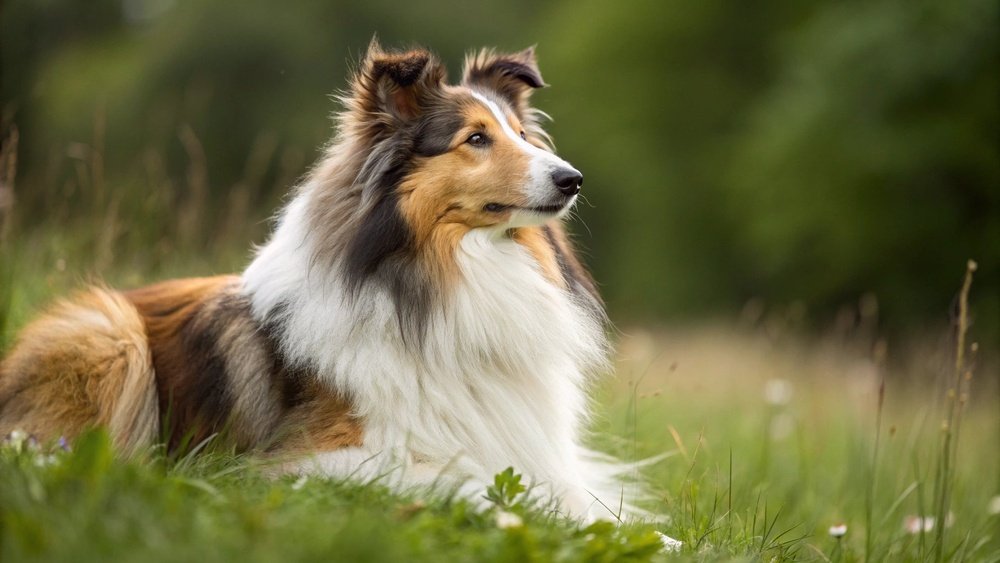
The Shetland Sheepdog, often called the “Sheltie,” is a breed with a captivating history and personality. Their intelligence, loyalty, and beauty make them a favorite among dog lovers worldwide. But owning a Sheltie is more than just enjoying their looks—it’s about understanding their unique temperament, meeting their care needs, and appreciating their size and exercise requirements.
Whether you’re considering adding a Sheltie to your family or you want to learn more about this special breed, this comprehensive guide will cover everything you need to know about temperament, size, and care to help you make informed decisions.
Shetland Sheepdog Origins And History
The Shetland Sheepdog hails from the Shetland Islands of Scotland, a remote and windy place where only the hardiest animals could thrive. These dogs were bred to herd sheep and protect farms. Despite their resemblance to the Rough Collie, Shelties are not simply smaller Collies. They were developed from small local working dogs, which were then bred with Collies brought from mainland Scotland and possibly with other breeds like the Icelandic Sheepdog.
By the early 20th century, the breed was recognized in both the UK and the US. The American Kennel Club (AKC) recognized the Sheltie in 1911. Today, Shelties are loved for their versatility as both working dogs and companions.
Shetland Sheepdog Appearance And Size
Shelties are often described as “miniature Collies,” but their size and features are distinct. Their beauty is not just skin deep; their form serves function, especially for herding in tough environments.
Height And Weight
Adult Shelties stand 13 to 16 inches (33 to 41 cm) at the shoulder. Males and females usually do not differ much in height. Weight typically ranges from 15 to 25 pounds (7 to 11 kg), though some may be slightly outside this range.
| Age | Height Range (inches) | Weight Range (pounds) |
|---|---|---|
| Puppy (3-6 months) | 8-12 | 7-14 |
| Adult (1+ years) | 13-16 | 15-25 |
Most Shelties are compact and agile. Their size makes them perfect for both apartments and homes with yards, as long as their exercise needs are met.
Physical Features
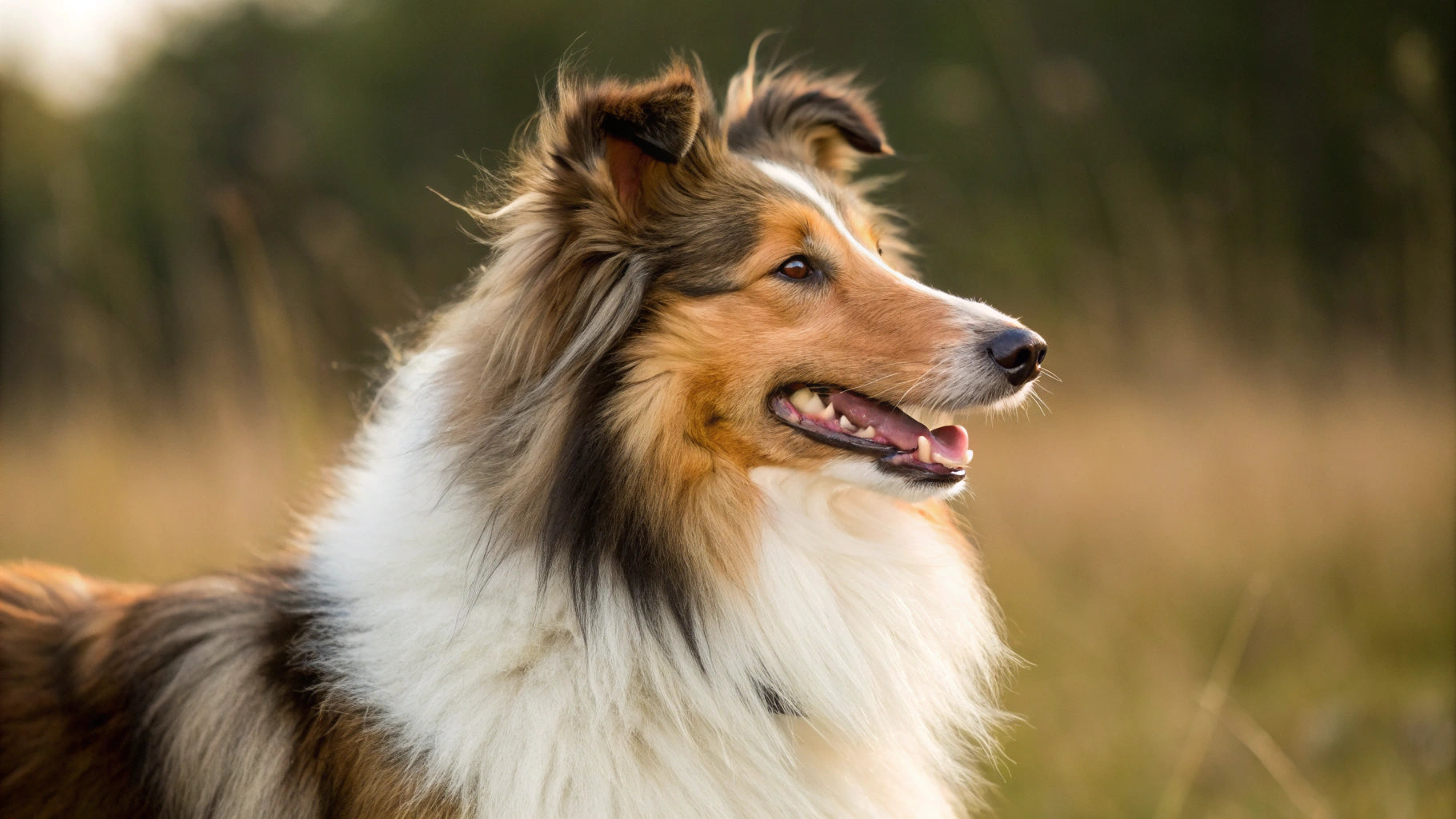
Shelties have a double coat: a soft, dense undercoat and a long, straight, harsh outer coat. Their mane and frill are especially full, and their tails are plumed. Ears are small and set high, often tipping forward at the top—a classic Sheltie look.
Shelties come in several colors, including:
- Sable (from golden to mahogany)
- Blue merle (silvery blue with black patches)
- Black
- With or without white and tan markings
Their expressive eyes, usually dark but sometimes blue in merles, give them a bright and alert expression.
Shetland Sheepdog Temperament
One of the Sheltie’s most appealing qualities is its temperament. They are highly intelligent, sensitive, and eager to please. But there’s more beneath the surface.
Intelligence And Trainability
Shelties are consistently ranked among the top five most intelligent dog breeds. According to canine psychologist Stanley Coren, Shelties can understand new commands after fewer than five repetitions and obey the first command 95% of the time or better.
This intelligence makes them fast learners, but they need mental challenges. Boredom can lead to unwanted behaviors. Shelties excel in obedience, agility, and even trick training. Their desire to please their owner makes them responsive to positive reinforcement.
Loyalty And Bonding
Shelties are deeply loyal to their families. They often form strong bonds with one person but can be loving with everyone in the home. If you want a dog who follows you from room to room, a Sheltie is a good match.
They can be reserved or shy with strangers but are rarely aggressive. Early socialization is important to help them feel comfortable in new situations.
Sensitivity
A non-obvious trait: Shelties are highly sensitive to tone of voice and mood. Harsh corrections can cause anxiety or fear. Gentle, consistent training works best. They may hide or withdraw if there is frequent yelling or chaos at home.
Barking And Watchdog Instincts
Shelties are known for their vocal nature. They were bred to alert their owners of anything unusual, so barking comes naturally. They will often bark at new people, animals, or noises. While this makes them excellent watchdogs, it can be a problem in apartments or quiet neighborhoods.
Training can reduce unnecessary barking, but it is important to accept that some barking is part of their nature.
Socialization And Interaction
Shelties are friendly with children if raised together. Their herding instinct may lead them to chase or “herd” kids, so supervision is needed. They are usually good with other dogs and pets, especially if socialized from a young age.
For families with cats, Shelties often adapt well, but their chase instinct should be managed through early training.
Energy And Playfulness
Shelties are energetic and enjoy playtime. They love games like fetch, frisbee, and especially agility or herding exercises. Without enough activity, they may invent their own fun, which can lead to digging or chewing.
Shetland Sheepdog Care: The Essentials
Owning a Sheltie is rewarding, but their care requires commitment. Let’s break down what it takes to keep a Sheltie healthy and happy.
Grooming Needs
The Sheltie’s beautiful coat is one of its trademarks, but it requires regular care.
Brushing
- Brush your Sheltie at least twice a week. During shedding season (spring and fall), increase to daily brushing.
- Use a slicker brush and a comb to reach the undercoat. Pay special attention to the mane, behind the ears, and feathering on legs, where mats form easily.
Bathing
- Bathe your Sheltie every 6-8 weeks or as needed. Too-frequent baths can dry out their skin.
- Use a gentle dog shampoo. Make sure to rinse thoroughly to avoid residue.
Shedding
Shelties shed year-round, with heavier shedding in spring and fall. Expect “blowouts” when the undercoat comes out in clumps. Regular grooming helps manage this.
Other Grooming
- Trim nails every 3-4 weeks.
- Clean ears weekly to prevent infections.
- Brush teeth several times a week.
Exercise And Activity
Shelties have moderate to high energy. They need both physical and mental stimulation.
Daily Walks
Aim for at least 60 minutes of activity per day. This can be split into two walks, plus playtime in the yard or indoors.
Mental Stimulation
Shelties thrive on mental challenges. Puzzle toys, training sessions, or learning new tricks keep their minds sharp.
Dog Sports
Agility, obedience, herding trials, and even canine dancing are great outlets. Shelties are top performers in these events.
Apartment Living
Shelties can adapt to apartments if their exercise needs are met. But without enough activity, they may bark excessively or develop destructive habits.
Diet And Nutrition
A balanced diet is vital for your Sheltie’s health and energy.
Food Type
Choose a high-quality dry kibble formulated for small to medium breeds. Look for real meat as the first ingredient, and avoid foods with fillers like corn or soy.
Feeding Amounts
Adult Shelties usually eat 3/4 to 1.5 cups of food daily, split into two meals. Adjust based on activity level, age, and metabolism.
Treats
Use treats for training, but keep them to less than 10% of daily calories to avoid weight gain.
Fresh Water
Provide clean, fresh water at all times. Shelties can be prone to urinary issues if they don’t drink enough.
Health And Common Medical Issues
Shelties are generally healthy, but like all breeds, they have some inherited risks. Responsible breeders test for common issues.
| Health Issue | Symptoms | Prevention/Treatment |
|---|---|---|
| Hip Dysplasia | Lameness, pain, trouble rising | Screening, maintain healthy weight, vet care |
| Collie Eye Anomaly | Vision loss, eye changes | Genetic testing, regular eye exams |
| Hypothyroidism | Weight gain, lethargy, skin issues | Blood tests, medication |
| Dermatomyositis | Skin lesions, muscle loss | Vet diagnosis, medication, avoid stress/injury |
| Von Willebrand’s Disease | Bleeding, bruising | Genetic screening, care with surgery/injury |
Lifespan
Shelties have a long average lifespan of 12-14 years. With good care, many live to 15 or older.
Veterinary Care
- Annual wellness exams
- Vaccinations as recommended
- Dental cleanings
- Preventive medications for fleas, ticks, and heartworm
Non-obvious Health Tips
- Shelties are sensitive to some medications, especially ivermectin (used for parasites). Ask your vet before giving any new drug.
- Dental disease is common—regular brushing and dental chews help prevent tooth loss and infection.
Training And Socialization
Training is a must for Shelties, not just for obedience but for mental health.
Early Training
Start training early, ideally in puppyhood. Focus on:
- Basic commands (sit, stay, come)
- Leash walking
- Crate training
Socialization
Expose your Sheltie to new people, places, and sounds. Puppy classes are great for this. Well-socialized Shelties are less likely to develop fear-based behaviors.
Positive Reinforcement
Use praise, treats, and toys. Avoid harsh corrections. Shelties respond best to gentle guidance.
Managing Barking
Teach a “quiet” command early. Reward silence and redirect attention. Some barking is natural, but you can reduce nuisance barking with consistency.
Herding Instinct
Shelties may try to herd children, other pets, or even cars. This can be managed with early training and redirecting their energy into sports or games.
Living With A Shetland Sheepdog
Shelties are adaptable, but their happiness depends on how well their needs fit your lifestyle.
Shelties And Children
Shelties are gentle and patient with children, especially if raised together. Teach kids to respect the dog’s space and avoid rough play. Always supervise young children with dogs.
Other Pets
Shelties usually get along with other dogs and cats, especially with early socialization. Their herding behavior may show up, so introductions should be supervised.
Alone Time
Shelties prefer company. They can be prone to separation anxiety if left alone for long periods. If you work long hours, consider a dog walker or doggy daycare.
Sheltie-proofing Your Home
- Remove objects that could be chewed or swallowed
- Fence your yard—Shelties may chase cars or animals
- Provide a safe, quiet space for rest
Shedding And Allergies
If someone in your family has allergies, note that Shelties shed heavily. Frequent cleaning and air purifiers can help, but no dog is truly hypoallergenic.

Credit: magazine.joovy.com
Finding And Choosing A Shetland Sheepdog
If you’re ready for a Sheltie, the next step is finding the right dog for you.
Adoption Vs. Buying
Adoption is a great choice. Many Shelties end up in rescues due to their vocal nature or energy, not because of aggression. Search for Sheltie-specific rescue groups or check local shelters.
If buying from a breeder, choose one who:
- Health tests breeding dogs
- Lets you meet the puppy’s parents
- Answers your questions openly
- Is involved in breed clubs
Puppy Or Adult?
Puppies require more training and time but can be shaped to your lifestyle. Adults may come with some training and established personality.
What To Look For In A Healthy Sheltie
- Bright, clear eyes
- Clean ears
- Shiny coat
- Energetic but not hyperactive
- No signs of fear or aggression
Cost Of Ownership
Owning a Sheltie involves more than the purchase price. Here’s a rough breakdown of yearly costs:
| Expense | Estimated Annual Cost (USD) |
|---|---|
| Food | $200–$500 |
| Veterinary care | $300–$700 |
| Grooming supplies | $50–$150 |
| Training classes | $100–$300 |
| Pet insurance | $250–$600 |
| Other (toys, treats, etc.) | $100–$300 |
Unexpected health problems can increase costs, so an emergency fund is wise.
Common Mistakes When Choosing A Sheltie
- Underestimating exercise needs: Shelties need more than a daily walk.
- Ignoring the barking: If you want a silent dog, the Sheltie is not for you.
- Buying from pet stores or unreputable breeders: This increases the risk of health and temperament problems.
- Not preparing for shedding: Their coat requires regular attention.
- Leaving them alone too long: Shelties want to be with their people.
Shetland Sheepdog Activities And Enrichment
Shelties thrive when they have meaningful things to do. These activities keep them healthy and mentally sharp.
Agility
Shelties excel at agility because of their speed, intelligence, and desire to please. Agility courses challenge both mind and body and are a great way to bond with your Sheltie.
Herding
Some clubs offer herding tests where Shelties can practice their original job. Even if you don’t have sheep, herding balls or toys in the yard can satisfy this instinct.
Obedience And Rally
Shelties are stars in obedience and rally competitions. These sports focus on teamwork and precise commands, which Shelties love.
Trick Training
Teaching tricks like spin, roll over, or fetch helps channel their intelligence. Short daily sessions are best.
Scent Work
Games that use their nose, such as finding treats hidden around the house, are enjoyable and stimulating.
Walks And Outings
Vary your walking routes, visit new parks, or invite other friendly dogs for playdates. This prevents boredom and supports socialization.

Credit: askavet.com
Sheltie Grooming: Tips And Tricks
The Sheltie’s coat is beautiful but requires attention to keep it looking its best.
Managing Mats And Tangles
- Start grooming young, so your Sheltie gets used to it.
- Use a dematting tool for stubborn tangles.
- Spray a light mist of water on the coat before brushing to reduce static and breakage.
Bathing Advice
- Always brush out mats before bathing. Wet mats tighten and are harder to remove.
- Use a gentle dog conditioner to keep the coat soft.
Dealing With Shedding
- Invest in a good undercoat rake for heavy shedding times.
- Consider professional grooming during spring and fall.
Nail And Ear Care
- Get your Sheltie used to nail trims and ear cleaning as a puppy.
- If you’re unsure, ask your vet or groomer for a demo.
Dental Hygiene
- Use a dog toothbrush and toothpaste. Never use human toothpaste, as it can be harmful.
- Dental chews can help, but don’t replace brushing.
Sheltie Training: Beyond The Basics
Training is more than teaching commands—it’s about building trust and a strong relationship.
Advanced Commands
Once your Sheltie knows the basics, try more advanced cues like “leave it,” “wait,” or even “find it” for scent work.
Social Manners
Teach your Sheltie to greet people calmly. Reward quiet, polite behavior. Redirect jumping or barking to a more acceptable action.
Impulse Control
Games like “wait for the treat” or “stay at the door” help your Sheltie learn patience, which is valuable for daily life.
Handling Separation
Practice short absences and gradually increase time alone. Leave safe toys or puzzle feeders for distraction.
Real-world Practice
Take your Sheltie to different places—pet stores, parks, friends’ houses. The more they experience, the more confident and adaptable they’ll become.
Credit: www.houndsy.com
Travel And Outdoor Adventures With Shelties
Shelties are wonderful travel companions if you plan ahead.
Car Safety
- Use a dog seatbelt or crate for safety.
- Take breaks for walks and bathroom needs.
Outdoor Activities
Shelties enjoy hiking and camping but keep them leashed—herding instinct can lead them to chase wildlife or cars.
Hot Weather Caution
Their double coat insulates against heat and cold but can make them prone to overheating. Walk early or late in summer, and always bring water.
Cold Weather
Shelties tolerate cold well but need shelter from wind and wet. Dry their paws after snow or rain.
Sheltie Life Stages: Puppy To Senior
Understanding your Sheltie’s needs at each life stage helps them thrive.
Puppy (0-12 Months)
- Socialization is key.
- Short training sessions.
- Frequent meals (3-4 per day).
- Safe toys for teething.
Adult (1-7 Years)
- Full exercise and training routine.
- Monitor weight—Shelties can become overweight if overfed.
- Maintain regular vet visits.
Senior (7+ Years)
- May need less exercise but still enjoy mental challenges.
- Watch for arthritis, dental problems, or changes in appetite.
- Adjust diet as needed for lower activity.
Shetland Sheepdog: The Right Fit For You?
A Sheltie can be the perfect companion for the right person or family. Here’s what to consider:
- Do you have time for daily exercise and grooming?
- Can you handle some barking?
- Are you willing to train and socialize your dog?
- Do you want a loyal, sensitive, and intelligent companion?
If yes, a Sheltie could fit well into your life. But if you prefer a low-energy, quiet, or independent dog, another breed may suit you better.
It’s easy to be charmed by their looks, but it’s their devotion, intelligence, and playful nature that will win your heart. With the right care, a Sheltie will be a loving friend for years to come.
If you want to learn more about Shelties’ history and breed standards, see the Shetland Sheepdog Wikipedia page.
Frequently Asked Questions
How Much Exercise Does A Sheltie Need Every Day?
A Sheltie needs at least 60 minutes of exercise daily. This can include walks, playtime, or dog sports. Mental activities like trick training or puzzle toys are also important to prevent boredom.
Are Shelties Good With Children And Other Pets?
Yes, Shelties are generally good with children and other pets, especially if raised together. Their herding instinct might make them try to “herd” kids or animals, but early training can manage this behavior.
How Often Should I Groom My Sheltie?
Brush your Sheltie twice a week regularly, and daily during shedding seasons. Bathe every 6-8 weeks or as needed. Don’t forget to trim nails and clean ears regularly.
What Health Problems Are Common In Shelties?
Shelties may face hip dysplasia, Collie Eye Anomaly, hypothyroidism, dermatomyositis, and Von Willebrand’s Disease. Regular vet visits and health screenings help catch problems early.
Are Shelties Suitable For Apartment Living?
Shelties can live in apartments if given enough exercise and mental stimulation. However, their barking can be a challenge in close quarters, so training and activity are vital.
A Shetland Sheepdog brings energy, intelligence, and loyalty to any home. With the right care and understanding, they can be a joyful part of your family for many years.

We’re the dedicated team behind MyPawSafe.com, with over a decade of combined experience in veterinary care, pet emergency response, and animal behavior. While we prefer to let our work speak for itself, our mission is clear: to provide science-backed, vet-approved advice that helps pet owners prevent accidents and save lives.