
Yorkshire Terrier Complete Guide: Temperament, Size, And Care
Yorkshire Terriers, often called “Yorkies,” are one of the most recognizable dog breeds in the world. Their small bodies, silky coats, and expressive faces make them favorites in homes, celebrity circles, and dog shows alike. But behind their charming looks is a breed full of personality, intelligence, and surprising energy. If you’re thinking about getting a Yorkie or simply want to understand this breed better, this guide covers everything you need to know: temperament, size, care tips, and more. Let’s explore the Yorkie world in clear, simple language—so you can make smart decisions and enjoy your journey with this special dog.
The Yorkshire Terrier: Breed Overview
Yorkshire Terriers originated in England during the 19th century. Their first purpose was practical—they helped control rats in textile mills. Over time, their lovely appearance and lively personalities made them popular as companion pets.
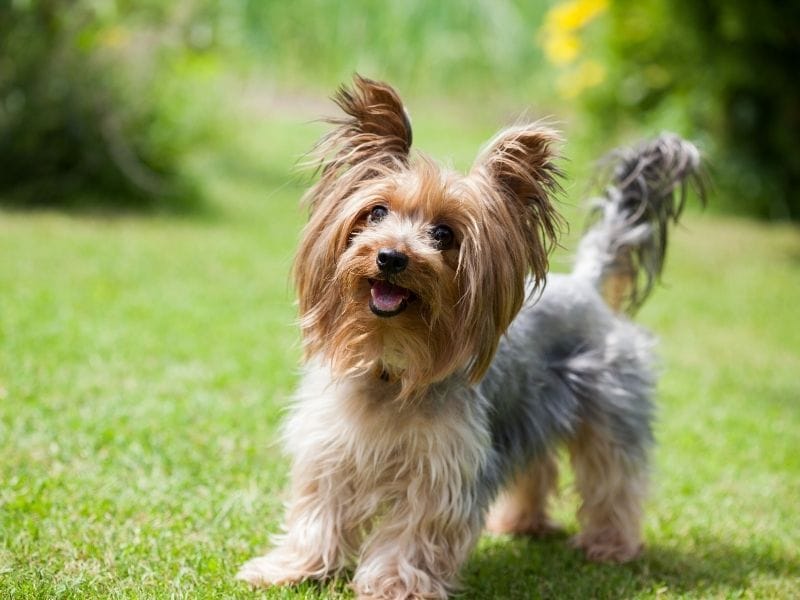
Yorkies are part of the toy group recognized by the American Kennel Club (AKC). Despite their small size, they have a big presence. Their long, straight, and shiny coat is usually steel blue and tan. These dogs have a compact, well-proportioned body, and their bright eyes show intelligence and curiosity.
Key facts:
- AKC recognition: 1885
- Lifespan: 12–15 years
- Country of origin: England
- Popularity rank (AKC 2026): #13 in the US
Yorkies are often seen in city apartments, suburban homes, and even rural locations. Their adaptability is one reason they’re so loved.
Temperament And Personality
Yorkshire Terriers are known for their big personalities packed into tiny bodies. Understanding their temperament is essential for any potential owner.
Bold And Confident
Yorkies may be small, but they act much bigger. They’re fearless, sometimes even challenging larger dogs. This courage comes from their history as ratters, where they needed to face quick-moving pests.
Intelligent And Curious
Yorkies are very smart. They learn tricks quickly and enjoy mental challenges. Puzzle toys and training sessions keep them happy. Without stimulation, they might invent their own games—sometimes leading to mischief.
Affectionate Yet Independent
Yorkies love their owners and often follow them around the house. They crave attention and may become attached to one person. However, they also show independence. They don’t need constant cuddling and can entertain themselves if necessary.
Vocal And Alert
Yorkshire Terriers are naturally alert. They notice changes in their environment and often bark at strangers, unusual noises, or other animals. This makes them good watchdogs, but their barking can become excessive if not managed.
Social And Adaptable
Yorkies can get along with children, other dogs, and even cats if introduced properly. Early socialization is crucial. They adapt well to different living situations, but their small size means careful supervision is needed with young kids.
Non-obvious Insights
- Yorkies often mirror their owner’s energy. If you’re calm, your Yorkie tends to be calm; if you’re active, they usually match you.
- They are more sensitive to harsh corrections than many breeds. Positive reinforcement works best.
Size, Appearance, And Physical Traits
Yorkshire Terriers are famous for their tiny size and elegant look. But there are important details every owner should know.
Standard Size
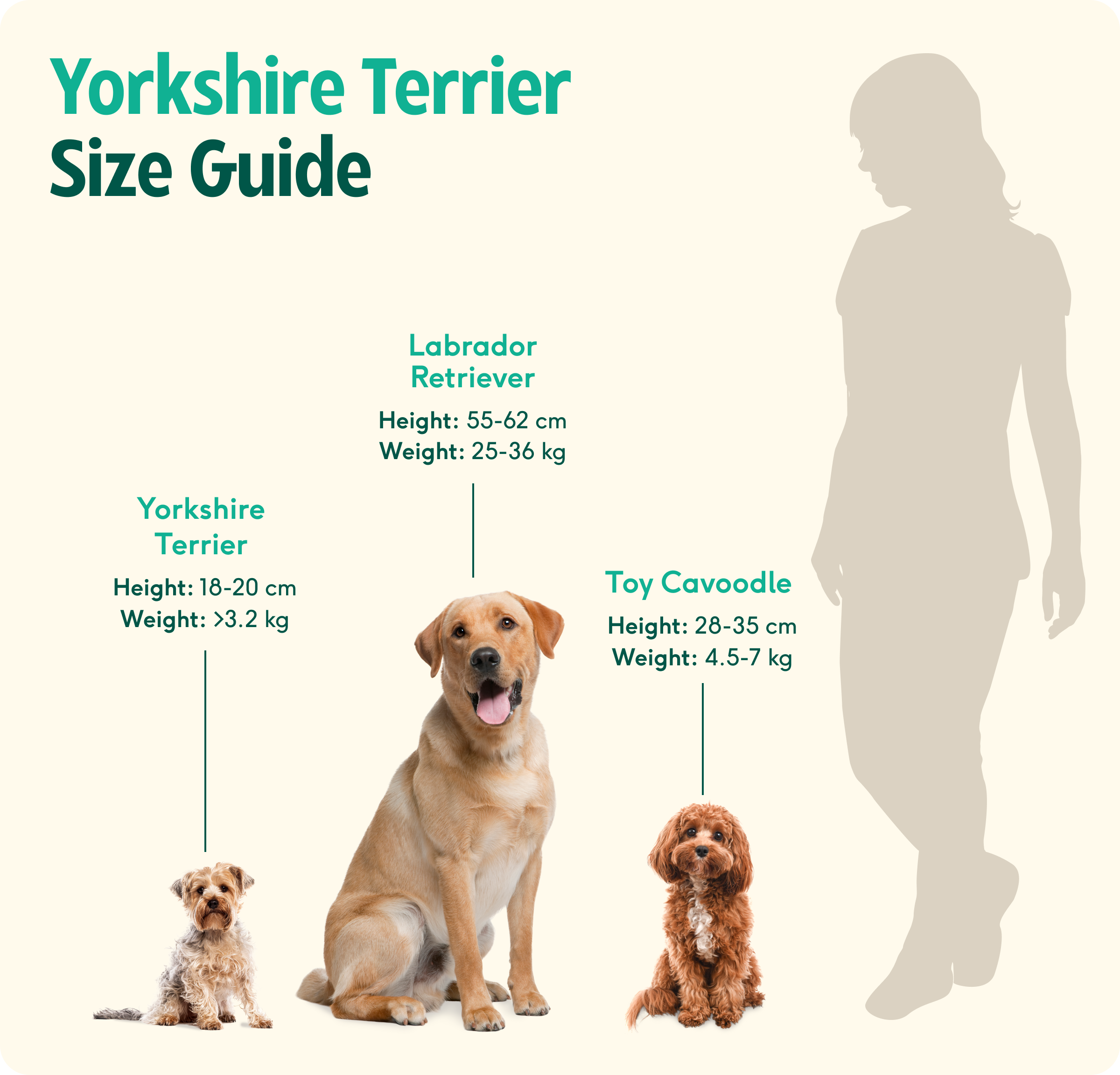
According to AKC standards:
- Weight: 4–7 pounds (1.8–3.2 kg)
- Height: 7–8 inches at the shoulder (17–20 cm)
Some pet Yorkies may be slightly larger, but show-quality dogs fit these numbers.
Coat And Colors
Yorkies have a unique, fine, straight coat that grows long. Their hair is similar to human hair—not fur—which reduces shedding but needs regular care. The classic color pattern is:
- Steel blue (dark, shiny blue-gray) on the body
- Tan (rich golden color) on the face, chest, and legs
Puppies are born darker, almost black and tan, and their coat changes as they mature.
Facial Features
Yorkies have a medium-sized, flat skull, a black nose, and bright, expressive eyes. Their ears stand erect, which gives them an alert look.
Comparison With Other Small Breeds
Here’s how Yorkies compare to similar toy breeds:
| Breed | Typical Weight | Coat Type | Shedding |
|---|---|---|---|
| Yorkshire Terrier | 4–7 lbs | Straight, fine, human-like hair | Low |
| Pomeranian | 3–7 lbs | Thick, fluffy double coat | High |
| Chihuahua | 2–6 lbs | Short or long, smooth fur | Moderate |
| Maltese | 4–7 lbs | Long, silky hair | Low |
Non-obvious Insights
- Yorkies with longer hair need regular trimming—not just brushing—to prevent tangles and mats.
- Some Yorkies have “cotton coats,” which are softer and fluffier but mat much faster than the standard silky coat.
Health And Longevity
Yorkshire Terriers are generally healthy dogs but have some breed-specific health risks. Knowing these helps you care for your Yorkie and avoid surprises.
Common Health Issues
- Dental problems: Yorkies often have crowded teeth, leading to tartar and gum disease.
- Luxating patella: Kneecap slips out of place, causing limping.
- Collapsed trachea: The windpipe can weaken, causing coughing.
- Hypoglycemia: Low blood sugar, especially in puppies.
- Portosystemic shunt: Liver issue seen in some Yorkies.
Average Lifespan
Yorkies live 12–15 years, with some reaching 17+ years. Good care and regular vet visits make a big difference.
Health Comparison Table
| Health Concern | Yorkshire Terrier | Pomeranian | Maltese |
|---|---|---|---|
| Dental Disease | High | Moderate | High |
| Knee Problems | High | Moderate | Moderate |
| Respiratory Issues | Moderate | High (trachea) | Low |
| Hypoglycemia | Moderate | Moderate | Low |
Non-obvious Insights
- Yorkies are prone to “reverse sneezing,” a harmless but startling cough-like noise. It’s usually caused by excitement or irritants.
- Regular dental cleanings and chew toys can reduce the risk of tooth loss.
Grooming And Coat Care
Yorkshire Terriers require more grooming than most small breeds. Their beautiful coat needs careful attention.
Daily And Weekly Care
- Brushing: Daily brushing prevents mats and tangles.
- Bathing: Once every 1–2 weeks with gentle dog shampoo.
- Trimming: Hair around the eyes, ears, and paws needs regular cutting.
- Nail clipping: Every 2–4 weeks, depending on activity.
Professional Grooming
Many owners take their Yorkies to a groomer every 4–8 weeks. Popular styles include:
- Show coat: Long, flowing hair.
- Puppy cut: Short, even trim for easy care.
Grooming Tools
- Pin brush (for daily brushing)
- Detangler spray
- Dog-safe scissors
- Nail clippers
Grooming Tips
- Start grooming routines young so your Yorkie learns to enjoy the process.
- Use a detangler spray before brushing to avoid pulling sensitive hair.
Coat Comparison Table
| Style | Maintenance Level | Looks | Recommended For |
|---|---|---|---|
| Show Coat | Very High | Long, elegant | Dog shows, enthusiasts |
| Puppy Cut | Medium | Short, playful | Families, busy owners |
| Top Knot | Medium | Hair tied above head | Everyday, prevents eye irritation |
Non-obvious Insights
- Yorkies’ hair can get caught in their teeth while chewing toys, causing mats near the mouth.
- Coat condition improves with a diet rich in omega-3 fatty acids.
Feeding And Nutrition
Yorkshire Terriers need a balanced diet suited to their size and activity level. Their small stomachs make feeding mistakes risky.
Ideal Food Types
- High-quality dry kibble designed for small breeds
- Wet food as a supplement or treat
- Occasional cooked meats (like chicken or turkey), but avoid bones and fatty cuts
Feeding Schedule
- Puppies: 3–4 small meals daily
- Adults: 2 meals daily
Portion Size
Yorkies eat about ¼ to ½ cup of food per day, split between meals. Adjust based on activity and age.
Treats And Snacks
Limit treats to less than 10% of daily calories. Use healthy options like carrot pieces or special dog treats.
Foods To Avoid
- Chocolate, onions, grapes, garlic
- Fatty or salty foods
- Cooked bones
Non-obvious Insights
- Because Yorkies are prone to hypoglycemia, they should never skip meals—especially puppies.
- Avoid free-feeding (leaving food out all day) as it can lead to obesity.
Credit: lyka.com.au
Exercise And Activity Needs
Yorkshire Terriers are energetic and playful, but their exercise needs are moderate compared to larger breeds.
Daily Exercise
- 20–30 minutes of walking or active play
- Indoor games: Fetch, tug, puzzle toys
- Social play with other dogs
Mental Stimulation
Yorkies love training, agility, and puzzle toys. Mental challenges are as important as physical exercise.
Safe Play Tips
- Avoid rough play with larger dogs.
- Supervise outdoor activity to prevent escape or injury.
- Use a harness instead of a collar to protect their neck.
Non-obvious Insights
- Yorkies can run faster than you might expect for their size—never let them off-leash in unsecured areas.
- They quickly become bored with repetitive games; vary activities to keep their interest.
Training And Socialization
Yorkshire Terriers are smart but sometimes stubborn. A consistent approach works best.
Basic Training
Start with:
- Sit, stay, come, down
- Crate training
- Potty training (Yorkies sometimes need extra patience)
Socialization
Expose your Yorkie to:
- Different people, children, and pets
- City noises, parks, traffic
Positive Reinforcement
Use treats, praise, and play rewards. Avoid harsh corrections—Yorkies respond best to gentle guidance.
Common Training Mistakes
- Inconsistency (changing rules or routines)
- Overusing punishment
- Not socializing early
Advanced Training
Yorkies excel in:
- Obedience competitions
- Agility courses
- Trick training
Non-obvious Insights
- Yorkies can develop “small dog syndrome” if not properly trained—acting bossy or fearful. Consistent boundaries prevent this.
- Training sessions should be short (5–10 minutes) to match their attention span.
Living Arrangements And Home Safety
Yorkies are adaptable but need some special arrangements.
Apartment Living
Yorkies do well in apartments due to their size. They need regular walks and playtime.
House With Yard
A fenced yard is great, but Yorkies can squeeze through small gaps. Always check fences.
Home Safety Tips
- Remove small objects they could swallow.
- Block off stairs if your Yorkie is very young or old.
- Keep electrical cords out of reach.
Traveling With Yorkies
Yorkies are portable and travel easily. Use a dog carrier and bring familiar toys. They may need extra comfort in new places.
Non-obvious Insights
- Yorkies are experts at finding weak spots in fences or barriers—never underestimate their curiosity.
- They are sensitive to extreme temperatures. In winter, use sweaters; in summer, avoid overheating.
Yorkies With Children And Other Pets
Yorkies can thrive with families and other pets—but supervision and training are essential.
With Children
- Yorkies are best with older children who understand gentle handling.
- Young kids may unintentionally hurt Yorkies because of their size.
With Other Dogs
- They get along well if socialized early.
- Yorkies may try to “boss” bigger dogs—watch for signs of aggression.
With Cats
- Yorkies can live peacefully with cats if introduced slowly.
- Their prey drive is low, but curiosity is high.
Non-obvious Insights
- Yorkies sometimes “shadow” their favorite person, following everywhere—even to the bathroom.
- They may become jealous if another pet receives more attention, so balance play and affection.
Finding And Choosing A Yorkshire Terrier
If you’ve decided a Yorkie is right for you, choosing the right dog is crucial.
Adoption Vs. Buying
- Adoption: Many Yorkies need homes. Check rescue groups and shelters.
- Buying: Find a reputable breeder who tests for health issues and provides socialized puppies.
Questions To Ask A Breeder
- Are the parents health-tested?
- What is the puppy’s temperament?
- Is the puppy vaccinated and dewormed?
Red Flags
- Puppies sold before 8 weeks old
- Sellers unwilling to show parent dogs
- No health guarantees
Price Range
Yorkie puppies typically cost $800–$3,500, depending on pedigree and location.
Non-obvious Insights
- Some breeders offer “teacup” Yorkies—dogs under 4 pounds. These are not recognized by the AKC and often have health problems.
- Older Yorkies may be easier to train and calmer than puppies.
Costs Of Ownership
Owning a Yorkshire Terrier involves both initial and ongoing expenses.
Typical Costs
- Puppy purchase/adoption: $800–$3,500
- Annual vet visits: $200–$400
- Grooming: $300–$700 per year
- Food: $200–$300 per year
- Accessories (bed, toys, leash): $100–$200
Extra Costs
- Dental cleaning: $200–$600
- Emergency care: $500–$2,000+
- Training classes: $100–$300
Non-obvious Insights
- Yorkies need dental care more often than larger breeds—budget for cleanings.
- Pet insurance can help cover unexpected health costs.
Yorkie Myths And Misconceptions
Many myths surround Yorkshire Terriers. Knowing the truth helps you prepare.
Common Myths
- “Yorkies don’t shed.” They shed less, but still lose some hair.
- “Yorkies are always yappy.” Training reduces excessive barking.
- “Yorkies are fragile.” They’re tough for their size but need careful handling.
Realities
Yorkies are lively, loving, and intelligent—but not maintenance-free.
Non-obvious Insights
- Yorkies are often more active than people expect. Mental stimulation is as important as exercise.
- Their confidence can lead them into trouble—watch for risky behavior.
Yorkshire Terrier History And Popularity
Yorkies have a rich history and enduring popularity.
Early Origins
Created from a mix of terriers brought by Scottish workers to Yorkshire, England. Used as rat catchers in mills.
Rise In Popularity
Victorian ladies began to favor Yorkies as lap dogs. Their small size and elegance made them fashionable.
Famous Yorkies
- “Smoky,” a WWII hero, served as a therapy dog and helped soldiers.
- Many celebrities own Yorkies, including Paris Hilton and Audrey Hepburn.
Current Trends
Yorkies remain a top choice in the US, UK, and worldwide. Their adaptability and charm make them favorites.
Non-obvious Insights
- Yorkies’ popularity sometimes leads to overbreeding—always check breeder reputation.
- Their history as working dogs explains their boldness and intelligence.
Credit: www.borrowmydoggy.com
Frequently Asked Questions
How Often Should I Groom My Yorkshire Terrier?
Yorkies need daily brushing and baths every 1–2 weeks. Professional grooming every 4–8 weeks keeps their coat healthy and neat. If you choose a short “puppy cut,” maintenance is easier but still requires regular attention.
Are Yorkshire Terriers Good With Kids?
Yorkies are generally good with older children who know how to handle small dogs gently. They are less suitable for homes with toddlers, as rough play can cause injuries. Early socialization and supervision are key.
What Health Problems Are Common In Yorkies?
Common issues include dental disease, luxating patella (knee problems), collapsed trachea, and hypoglycemia. Regular vet check-ups and good nutrition help prevent or manage these problems. Yorkies are also sensitive to anesthesia.
How Much Exercise Does A Yorkie Need?
Yorkies need about 20–30 minutes of daily exercise. Short walks, play sessions, and training activities keep them healthy and happy. Mental stimulation is equally important, so use puzzle toys and new games.
Where Can I Find Reliable Information About Yorkshire Terriers?
For deep breed info, visit the Wikipedia Yorkshire Terrier page. Breed clubs and rescue organizations are also helpful.
Final Thoughts
Yorkshire Terriers are small in size but large in personality. Their intelligence, adaptability, and beauty have made them one of the world’s most cherished dog breeds. However, they require dedicated care—regular grooming, proper nutrition, and consistent training. Yorkies reward their owners with loyalty, affection, and endless entertainment.
If you understand their needs and respect their unique traits, you’ll gain a companion that brings joy for years to come. Whether you live in a city apartment or a spacious home, a well-cared-for Yorkie is always ready to be your best friend.
Credit: www.borrowmydoggy.com
We’re the dedicated team behind MyPawSafe.com, with over a decade of combined experience in veterinary care, pet emergency response, and animal behavior. While we prefer to let our work speak for itself, our mission is clear: to provide science-backed, vet-approved advice that helps pet owners prevent accidents and save lives.